Tree removal
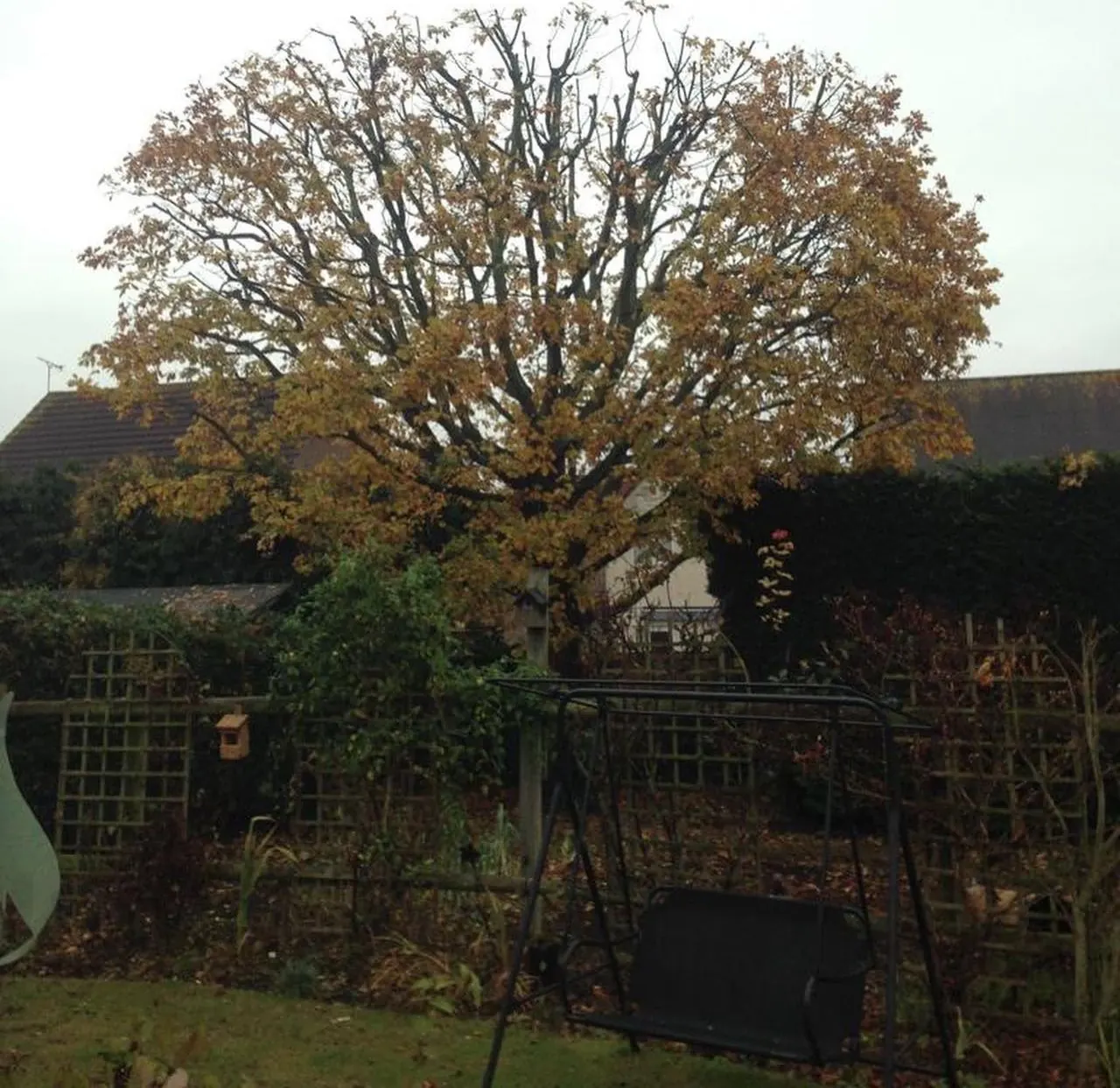
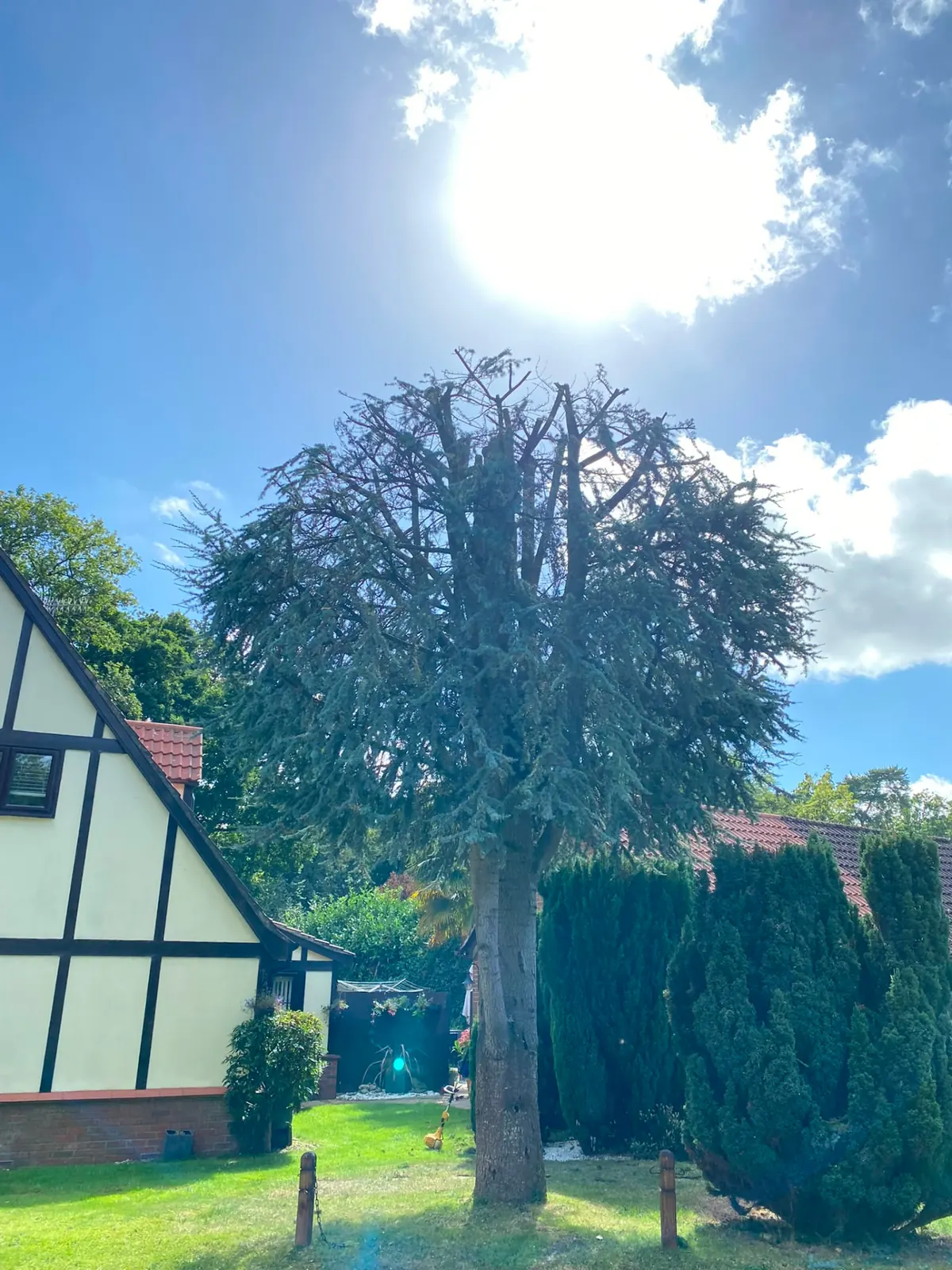
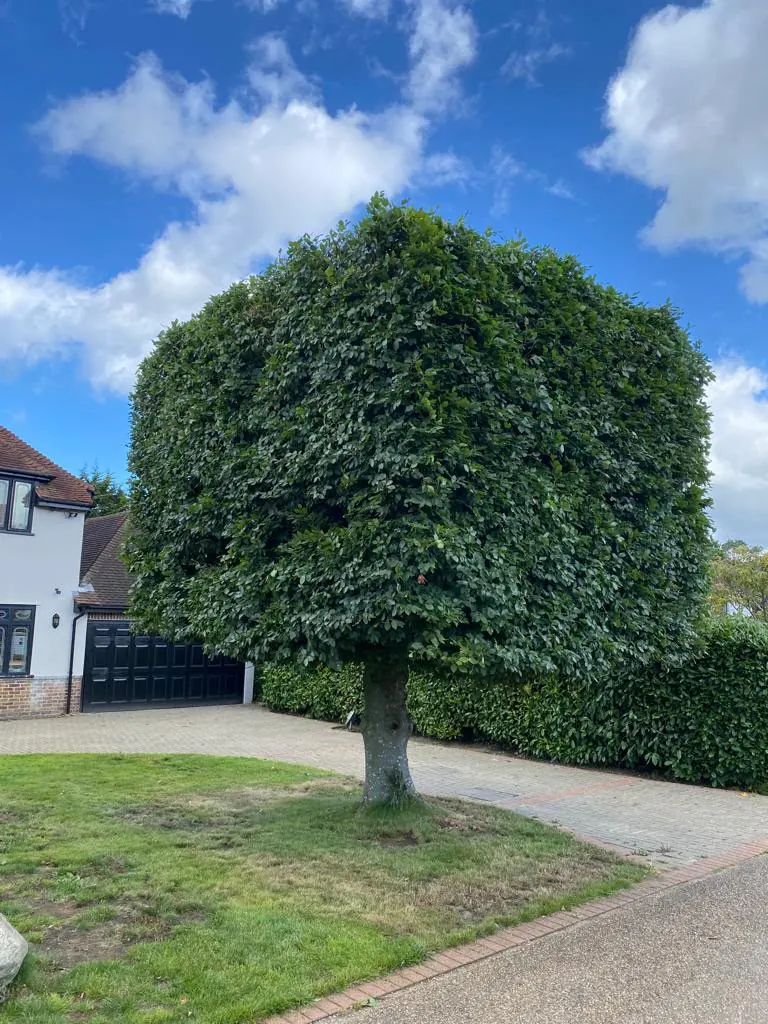
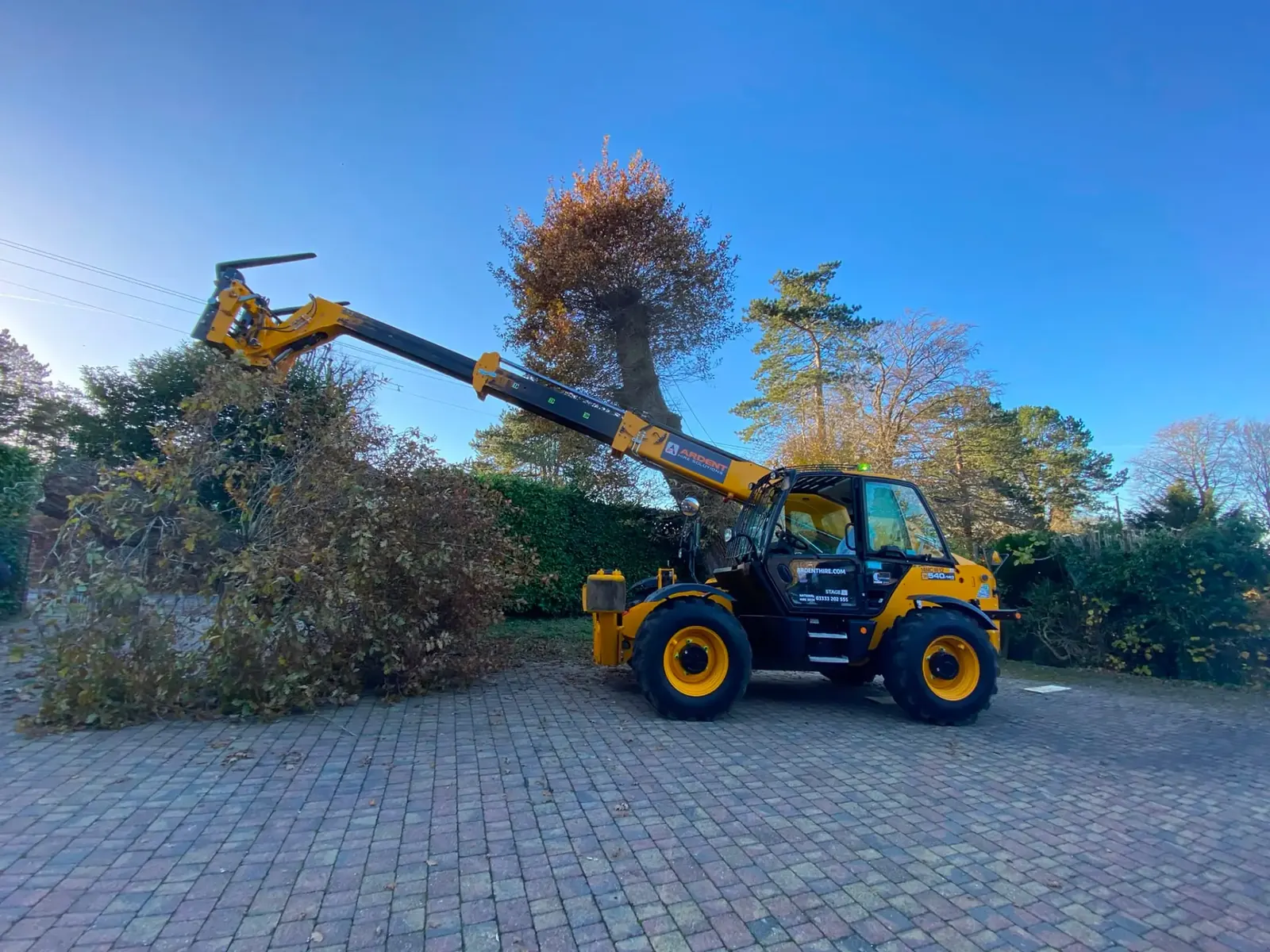
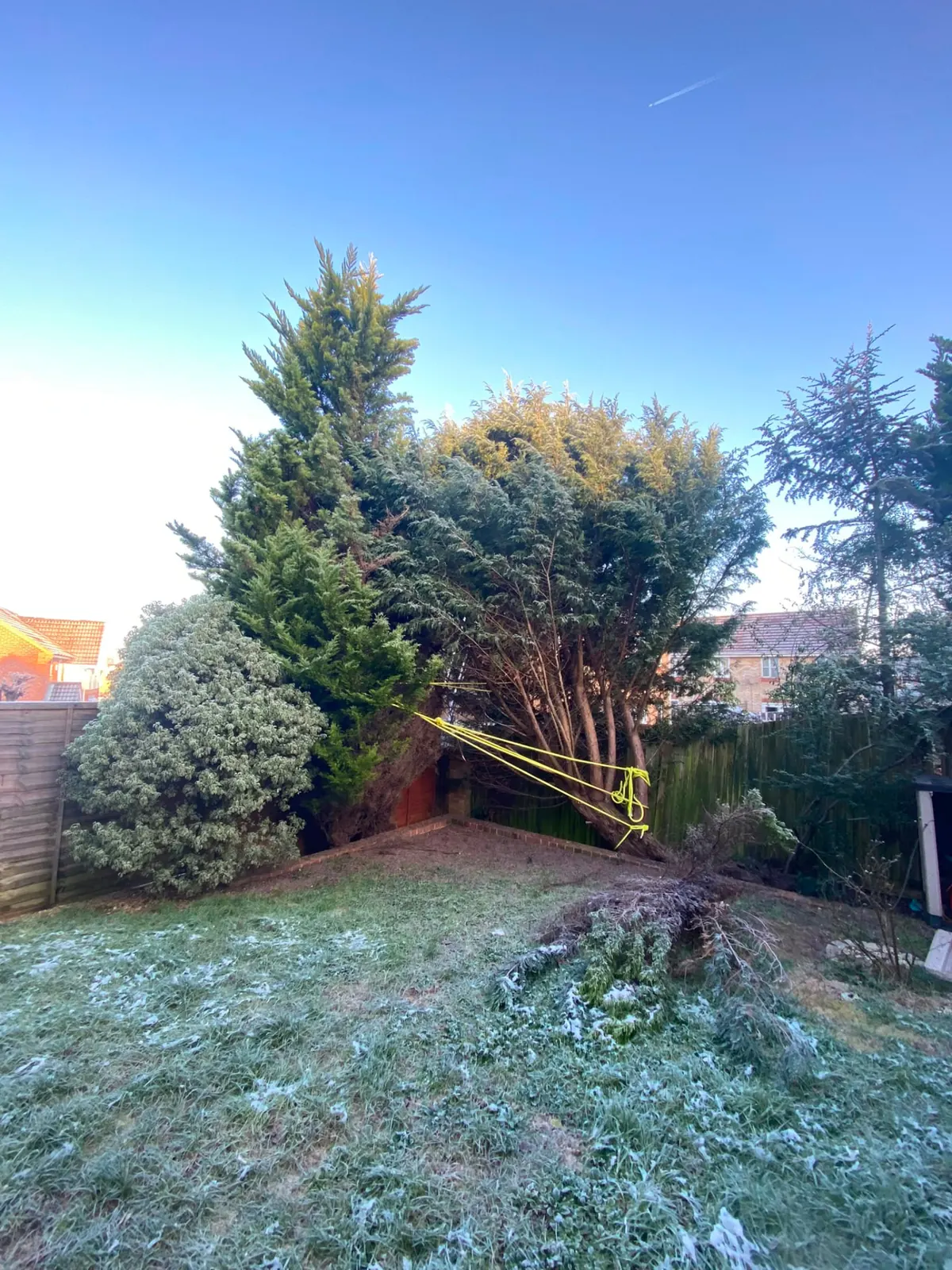
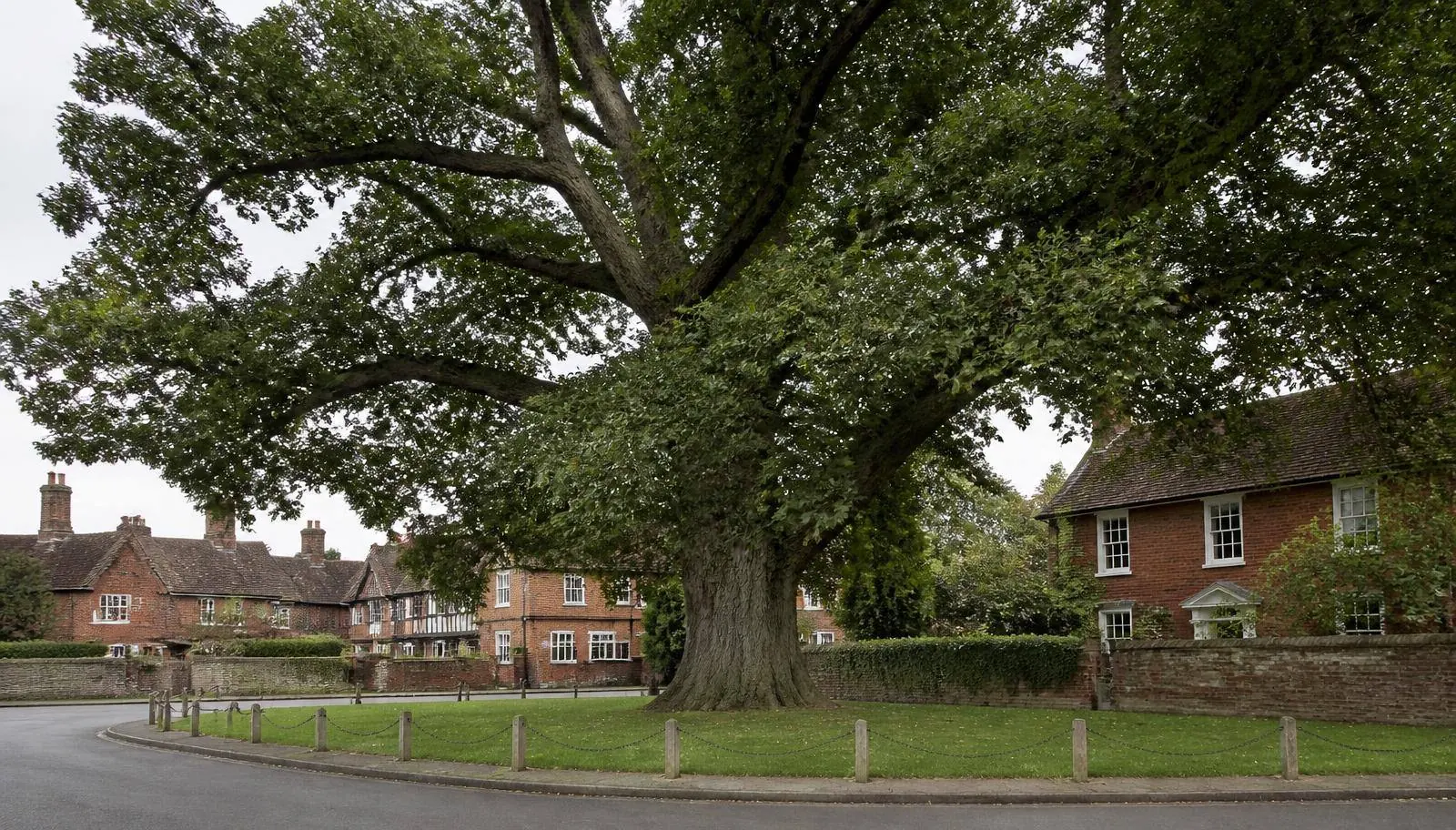
Careful sectional dismantling for the large Georgian and Victorian garden specimens common near the town centre.
View service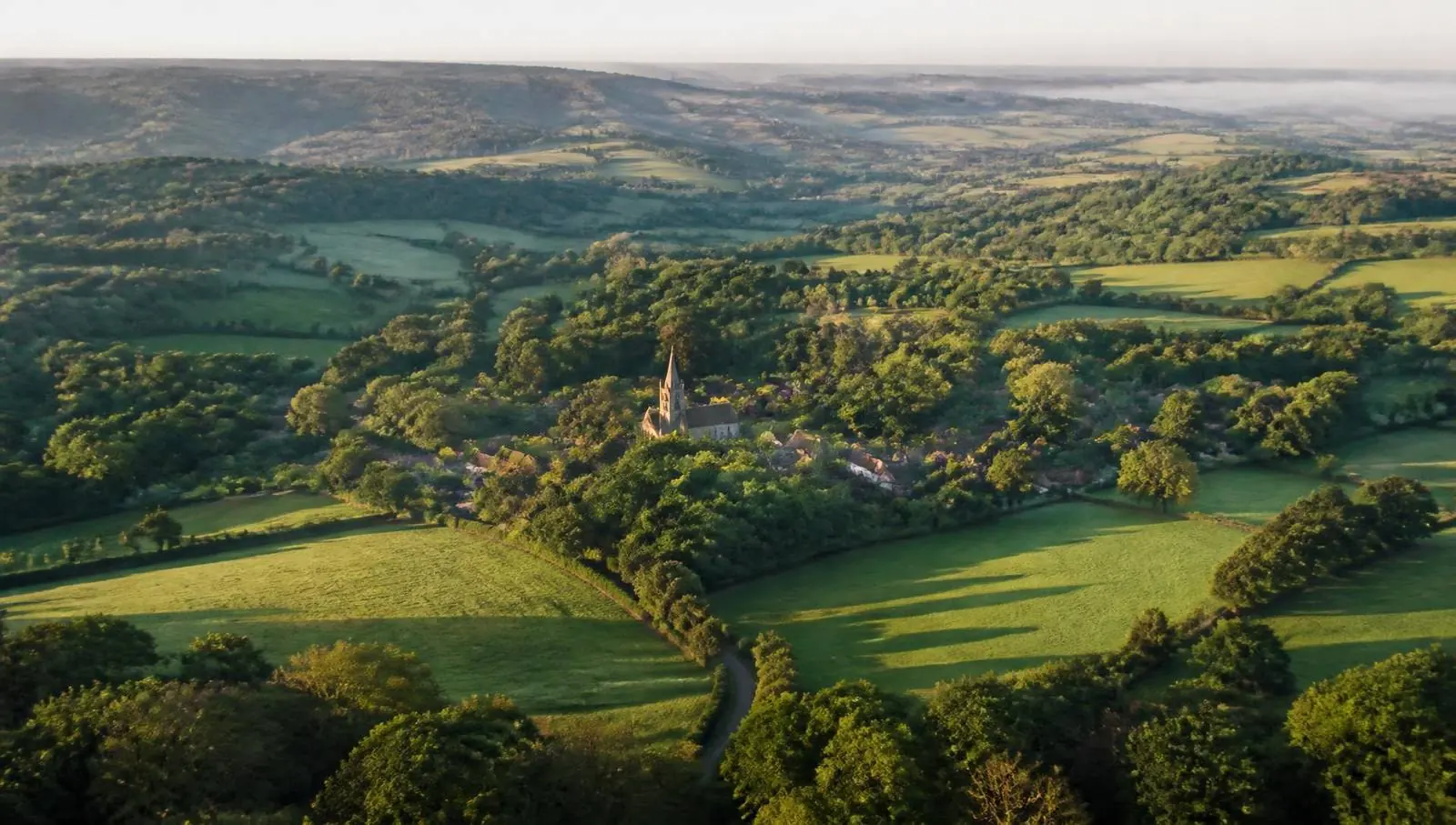
Tunbridge Wells · Kent · TN1–TN4
From the Georgian terraces around the Pantiles to the wooded commons and sandstone outcrops that give Tunbridge Wells its character, tree work here has to respect both mature planting and delicate ground. We bring a qualified three-man crew out from our Oxted base, quote free after a site visit, and confirm the price in writing the same day.
12 years' experience, 59+ five-star Google reviews, £10m employers' and £5m public liability cover.
12 yrs
Years of tree surgery experience across the Kent/Surrey/Sussex borders
£15m
Total insurance cover, £10m employers', £5m public and products
59+
Five-star Google reviews from customers across the Wealden borders
Same day
Written quote turnaround after your free site visit
Tunbridge Wells · Kent
Tunbridge Wells sits on the Wealden sandstone, and it shows in the town, the outcrops at the Wellington Rocks, the wooded commons running through the centre, and the deep, well-established gardens around Mount Ephraim and the Pantiles that were laid out in the Georgian and Victorian eras when the town became a spa resort. Mature trees are part of the town's identity here in a way that's less true of the newer commuter towns further north.
We're based near Oxted, around 20 miles north-west, which puts Tunbridge Wells well beyond our standard 10-mile working radius. We're upfront about this: an additional travel charge applies to jobs here, shown clearly on the written quote alongside the cost of the work itself, never buried in the total.
Housing stock across TN1–TN4 ranges from the grand Georgian and Victorian villas near the town centre and Calverley Park, to solid 1930s suburbs out towards Rusthall and Southborough, to newer estates on the edges of the borough. Each brings a different tree problem: the older properties carry oversized specimen trees planted for a bygone garden scale, while the newer estates deal more with boundary conifers and storm-prone ornamentals.
Tunbridge Wells Borough Council is the planning authority, and a significant number of trees across the town, particularly around the commons, Calverley Grounds and the conservation areas near the centre, are protected either individually or as part of the designated areas. Consent has to be secured before cutting starts, and we deal with that process as a matter of course.
TN1 to TN4, Tunbridge Wells town centre, Rusthall, Southborough, St John's and the areas around the common.
Tunbridge Wells sits well beyond our standard 10-mile radius from Oxted, so an additional travel charge applies, always shown clearly on the written quote.
Mature Georgian and Victorian specimen trees near the centre, 1930s suburban ornamentals in Rusthall and Southborough, and sandstone-rooted woodland edges near the common.
Tunbridge Wells Borough Council manages TPOs and conservation area consent across the town, we handle the applications on your behalf.
What we do here
All services below are available to Tunbridge Wells addresses. Because TN1–TN4 sits well outside our standard radius, an additional travel charge applies and is stated plainly on the quote.
Careful sectional dismantling for the large Georgian and Victorian garden specimens common near the town centre.
View serviceBring an oversized cedar, lime or beech back to a manageable size without damaging its long-term health.
View serviceLet light and air through dense canopies on the wooded, common-edge gardens typical of the town.
View serviceLift low limbs off drives and paths on the steep, terraced gardens around Mount Ephraim and Calverley Park.
View servicePull growth back from Georgian boundary walls and adjoining gardens without disturbing old sandstone footings.
View serviceRemove dead limbs from mature trees before they fall on the paths and commons the town is known for.
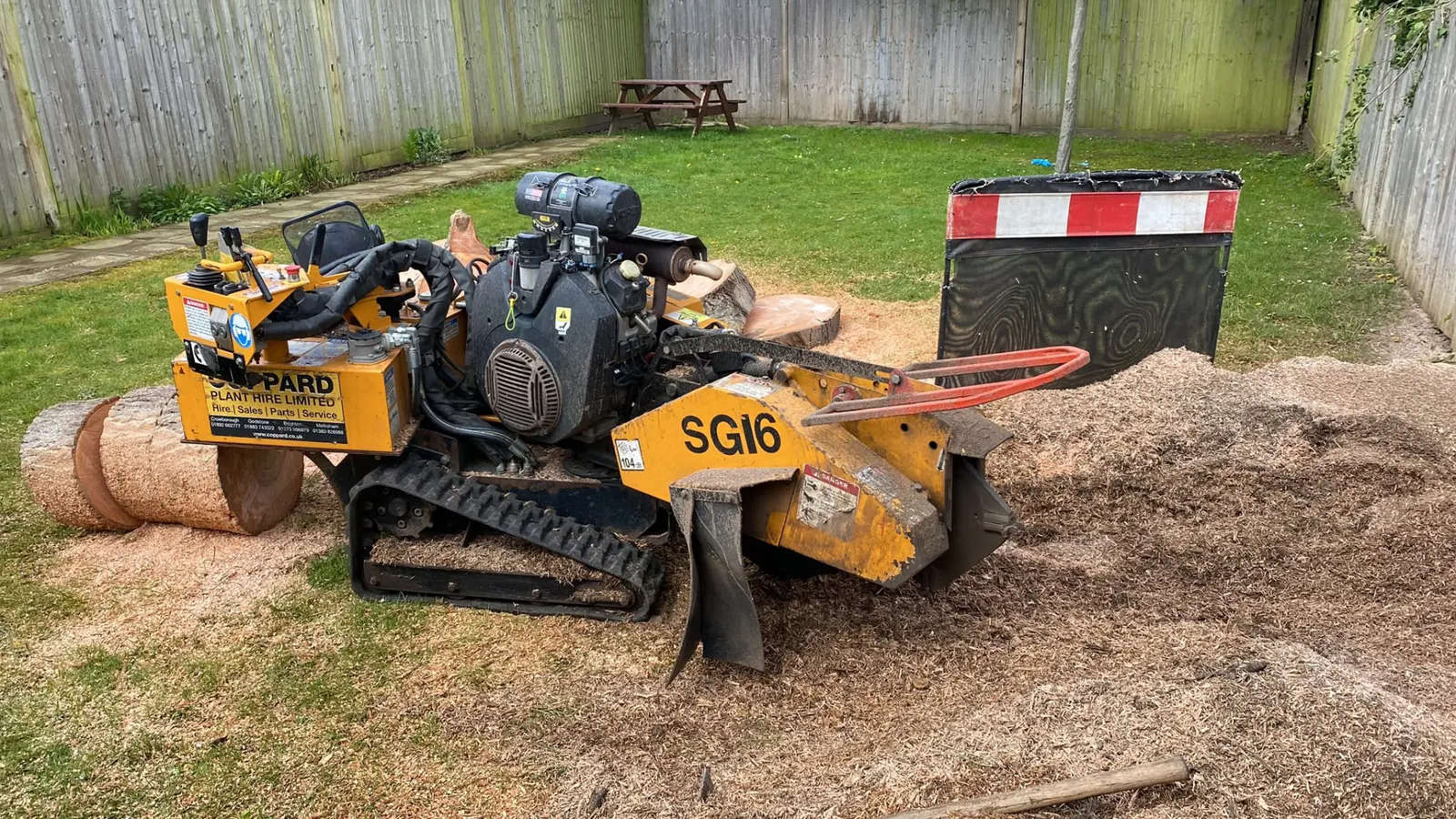
View serviceGrind out old stumps in sandstone-based soil, ready for replanting or garden landscaping.
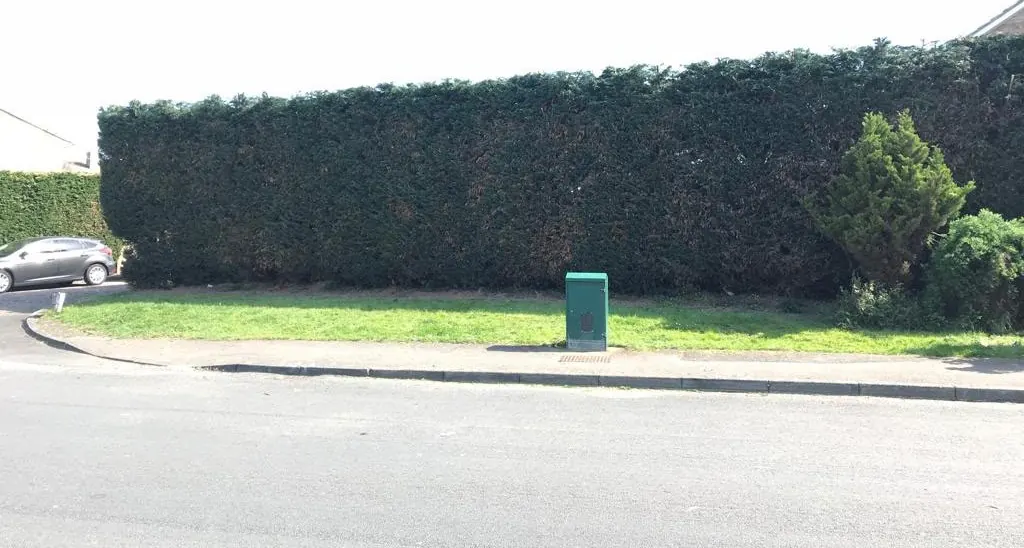
View serviceBoundary hedges across Rusthall and Southborough cut back to a clean line, arisings chipped and cleared.
View serviceOut-of-hours call-outs when a storm brings a limb or tree down across a Tunbridge Wells property or road.
View serviceSafe dismantling of unstable trees near the commons, footpaths and sandstone outcrops.
View serviceOvergrown plots on the edges of the borough cleared ready for building or landscaping work.
View serviceNew stock selected to suit the free-draining sandstone soils typical of the Wealden ridge.
View serviceBasic surveys from £50 per tree, useful for conservation area enquiries or pre-purchase checks.
View serviceTPO and conservation area paperwork handled with Tunbridge Wells Borough Council on your behalf.
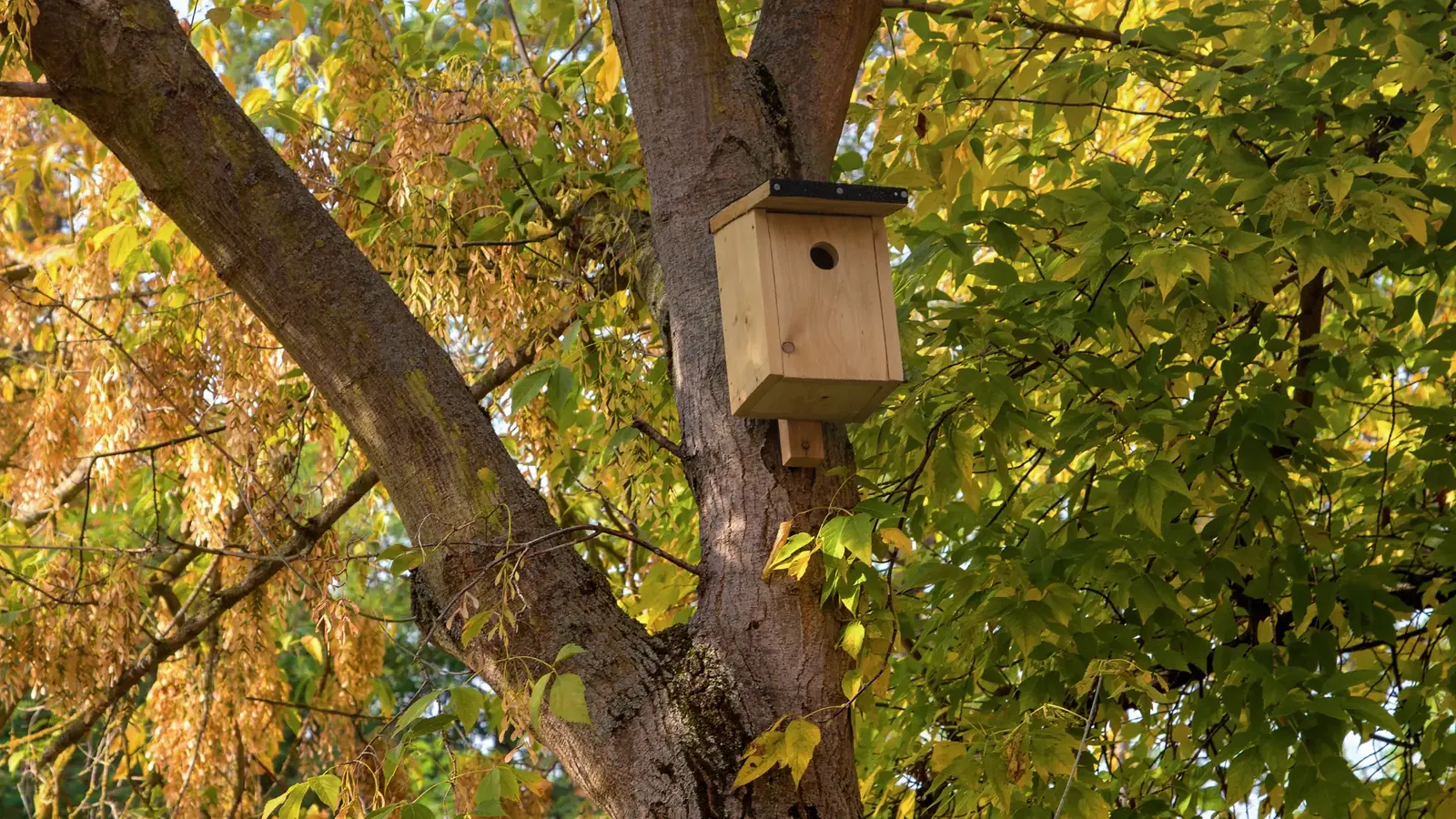
View serviceBoxes fitted properly in mature garden and common-edge trees while we're already up in the canopy.
View serviceWhy us
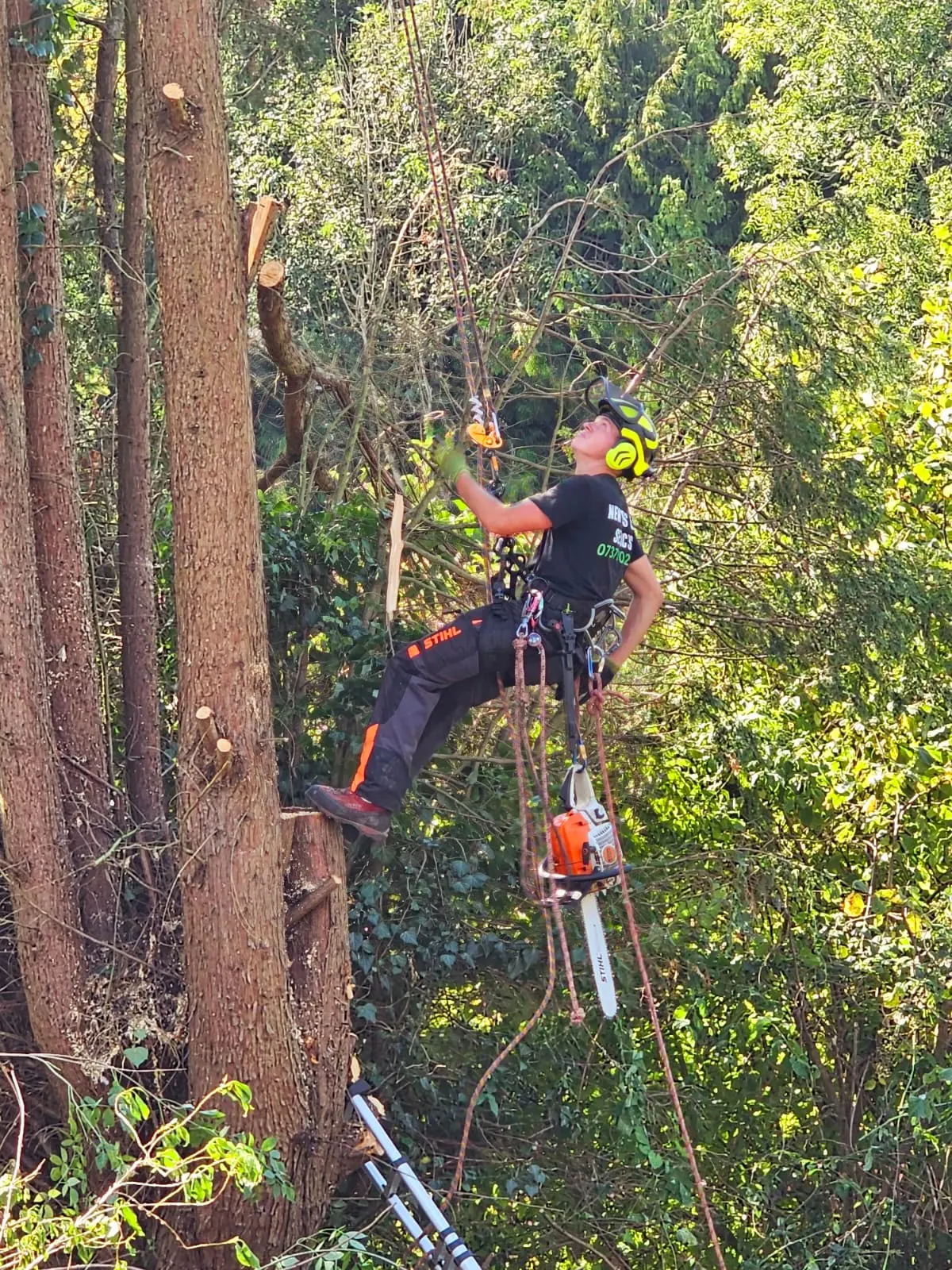
Jack Newton quotes the job and climbs it himself, running a three-man crew throughout. That matters on jobs near sandstone outcrops and old garden walls, where a plan agreed on paper needs to survive contact with the actual ground.
The qualifications behind the work are current: NPTC and City & Guilds chainsaw certificates covering maintenance and cross-cutting, felling up to 380mm, tree climbing and aerial rescue, and aerial cutting and free-fall techniques, backed by £10 million employers' liability and £5 million public and products liability cover, figures that matter when work is close to listed boundary walls or shared common land.
59+ five-star Google reviews describe the same points repeatedly: reliable timing, clean working, tidy finish. A guarantee is available on request.
Jack and a three-man team carry out the work directly, with no subcontracted labour standing in for them.
NPTC / City & Guilds tickets and £10m / £5m cover, the paperwork often needed near listed walls, the commons or shared boundaries.
Free site visit, written quote the same day, with the additional travel charge for working this far from our base shown clearly, not hidden.
Arisings chipped and taken away as standard. Logs at £100 per tonne bag, woodchip at £50 per truck load if you'd like to keep any.
On the ground in Tunbridge Wells
Built on Wealden sandstone with wooded commons running through its centre, Tunbridge Wells has a distinct set of tree issues shaped by its geology, its Georgian and Victorian garden heritage, and the sheer density of protected trees within the borough.
Many properties around Mount Ephraim, Calverley Park and the Pantiles were laid out during the town's Georgian and Victorian heyday as a spa resort, with gardens designed to show off large specimen trees, cedars, limes, copper beeches, at a scale rarely planted today. These trees are now well over a century old in many cases.
Keeping them safe means regular, careful reduction and dead-wooding rather than removal wherever possible, since these trees are as much part of the town's character as the buildings they stand beside.
The sandstone bedrock that gives Tunbridge Wells its outcrops and rock formations also constrains how tree roots develop, shallow soil over rock forces roots sideways rather than down, which can lift paving, disturb old garden walls or destabilise a tree in strong wind.
This is a particular consideration on the steeper, terraced gardens near the town centre, where a tree's root plate may be far less secure than its size above ground would suggest.
Tunbridge Wells's commons and wooded fringes mean many gardens back directly onto semi-natural woodland, with oak, beech and birch self-seeding or encroaching from the common into private plots over time.
These trees often haven't been managed the way a deliberately planted garden tree would be, and can need more significant reduction or removal work when they start affecting a house, driveway or neighbouring garden.
Parts of the town, particularly towards Rusthall and the high ground near the common, sit exposed enough to catch stronger winds than the sheltered valley areas nearby. Combined with shallow sandstone-rooted trees, this raises the risk of limb failure or, less commonly, whole-tree uprooting during winter storms.
Dead-wooding and proportionate thinning ahead of the storm season reduces this risk considerably, and we take out-of-hours call-outs where a limb has already come down.
A large proportion of Tunbridge Wells falls within conservation areas or has individual Tree Preservation Orders, particularly around Calverley Grounds, the commons and the older residential streets near the centre. This is one of the more heavily protected towns we work in.
We check every job against Tunbridge Wells Borough Council's records at the site visit and handle the TPO or conservation area application on your behalf, so work only starts once consent is confirmed.
Many properties near the Pantiles and Mount Ephraim sit on steep terraces with narrow lanes, steps or no vehicle access at all to the rear garden. This is some of the most access-constrained ground we work in across the whole area we cover.
Material often has to be lowered by rope, carried out by hand, or processed with compact equipment small enough to reach the rear of the property, all assessed at the free site visit before pricing.
Questions
Nearby
See every town our tree surgeons cover, browse all tree surgery services, read about Jack and the crew, head back to the Newton's Tree Services tree surgeons, or go straight to the free tree surgery quote form.
Free quote
Send the form or call Jack directly. We'll book a free site visit to your TN1–TN4 address, usually within 7 days, and confirm the travel charge plainly in your written quote the same day.
Call 07375 701290Five Pebble Hill Cottages, Westerham Road, RH8 0EA · Mon–Sat 8am–9pm · Sunday closed