Permanent brown patches
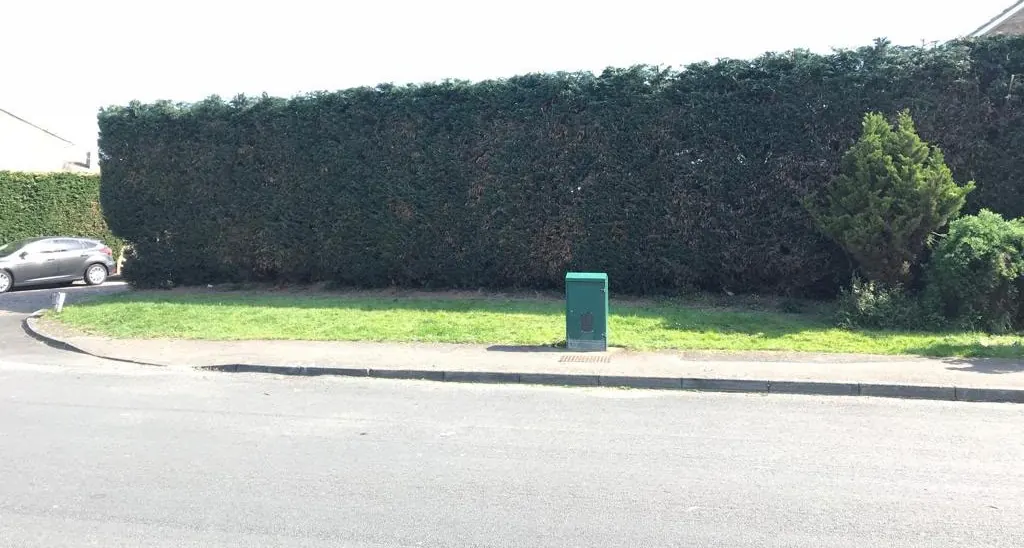
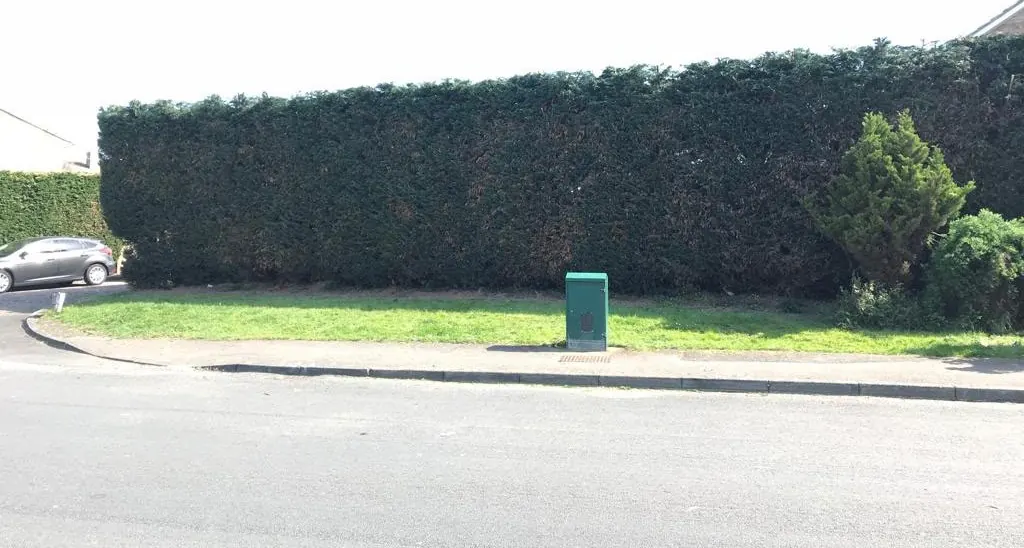
Cutting most conifers, including leylandii, back past their green growth into bare wood usually means that section never regrows.
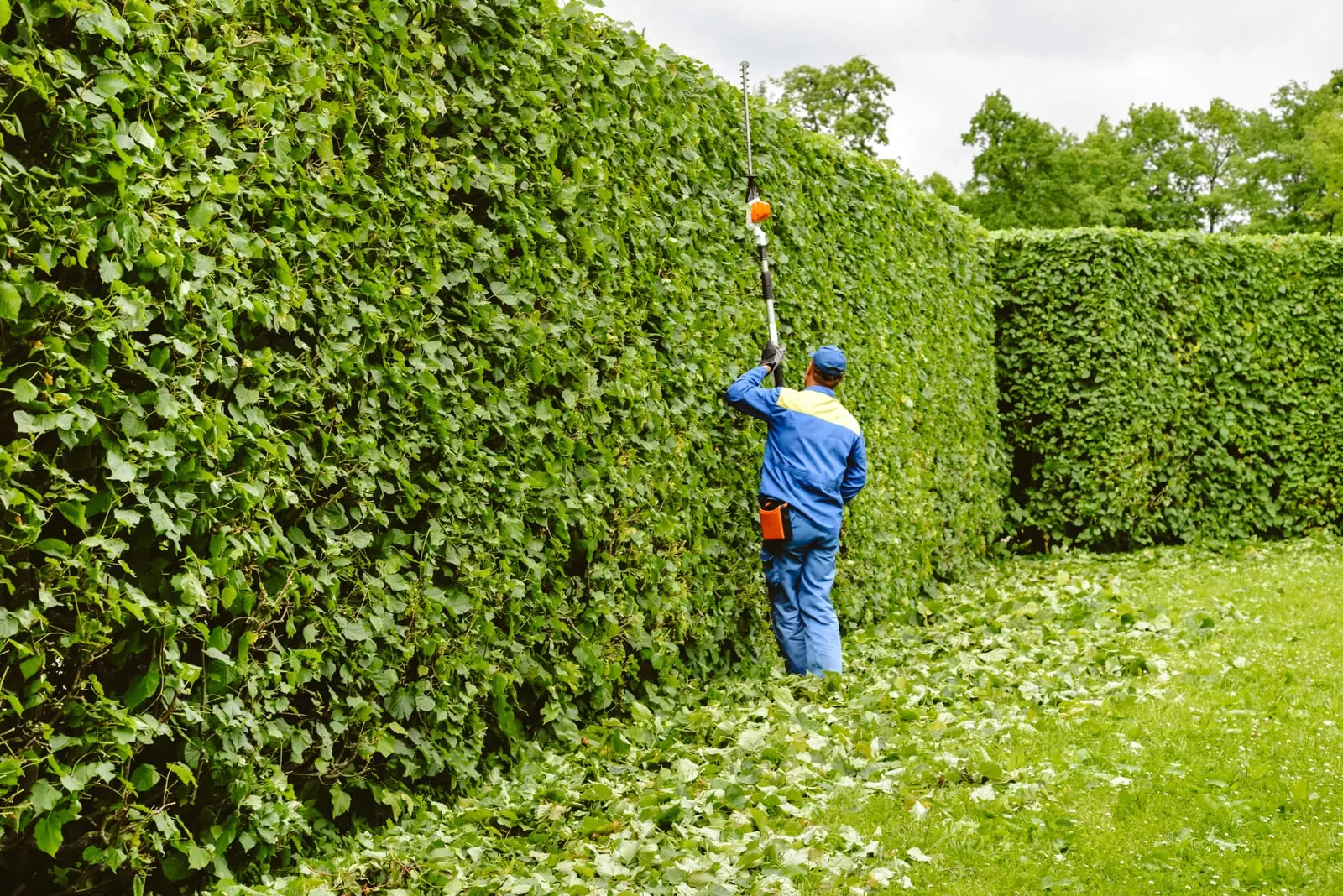
Hedge trimming & reducing
An overgrown leylandii or laurel hedge doesn't just look untidy, it blocks light, takes over a boundary, and can end up as a dispute with a neighbour under the High Hedges Act. We cut back to a straight, level line front, top and sides, and clear every bit of arisings before we leave.
12 years in the canopy, 59+ five-star Google reviews, £10m employers' and £5m public liability cover.
12 yrs
Hands-on hedge and boundary work across Sussex and the borders
£15m
Total insurance cover, £10m employers', £5m public and products
NPTC
City & Guilds certificates in chainsaw and cutting operations
7 days
Typical wait for a free site visit, with the written quote the same day
The service
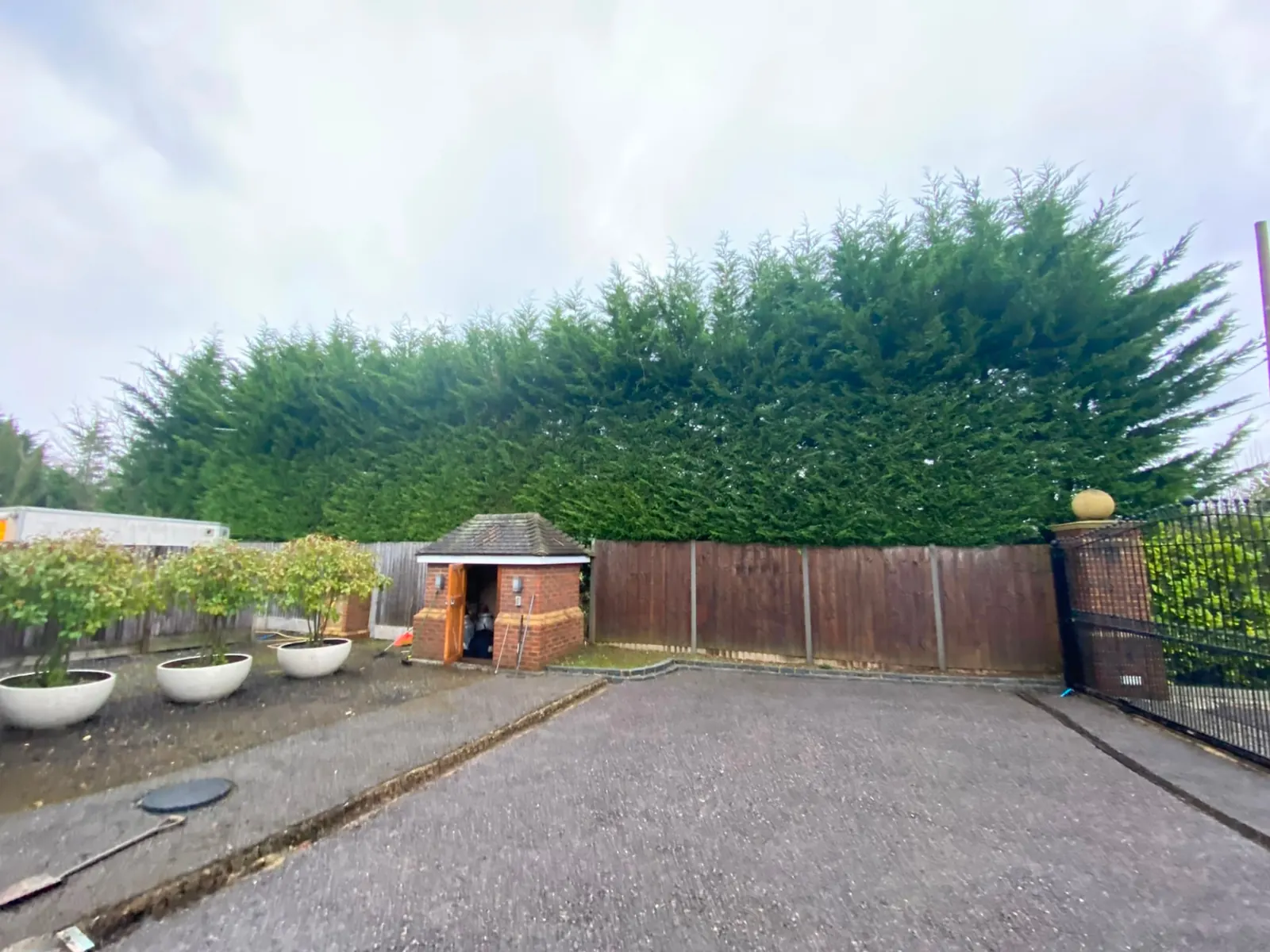
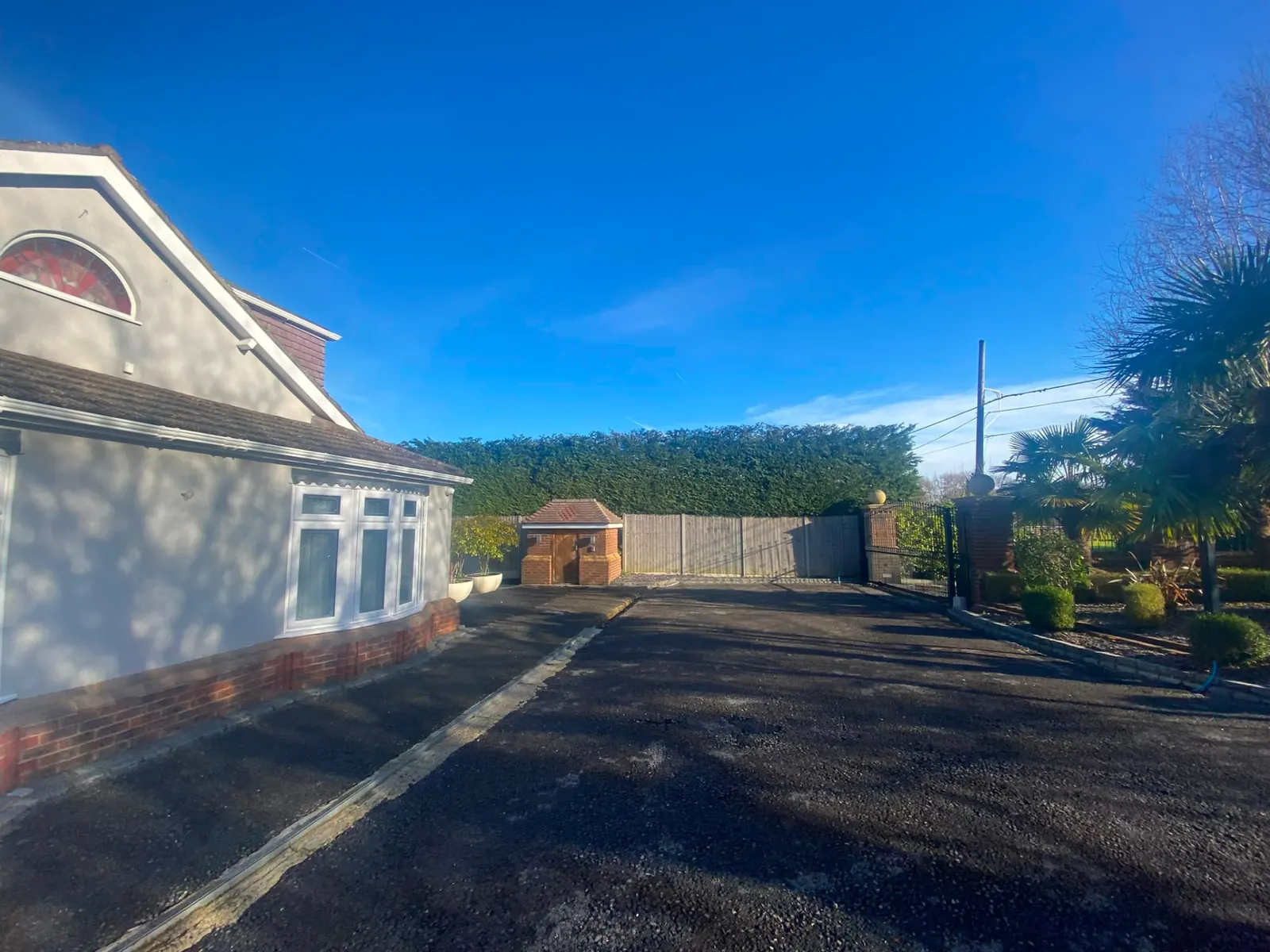
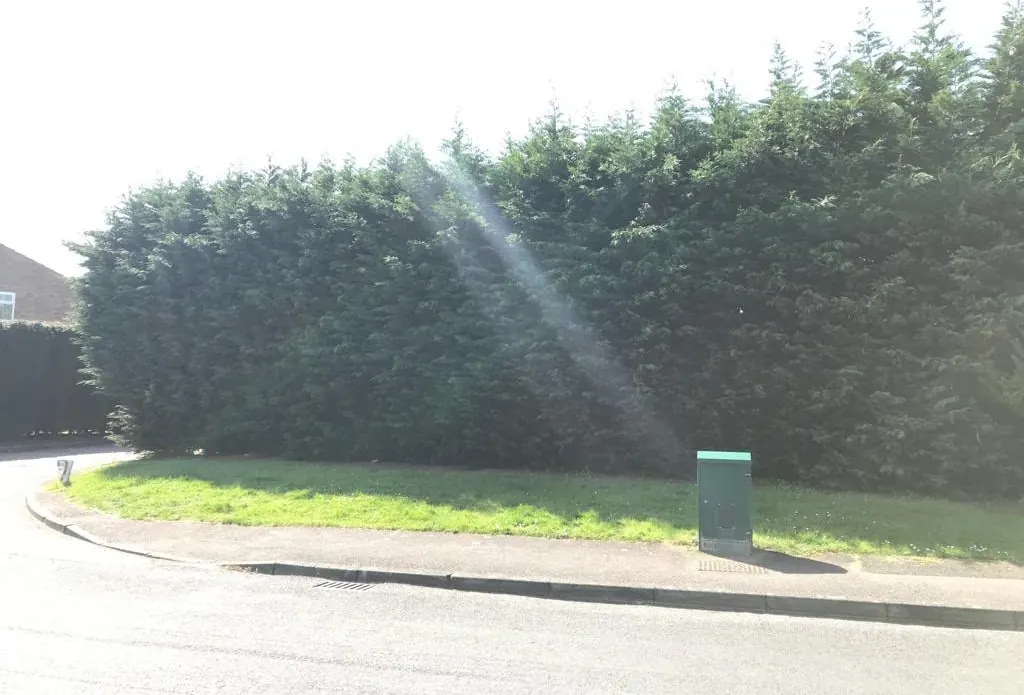
Hedge trimming covers everything from a routine seasonal cut to keep a boundary neat, through to a hard reduction that takes a hedge that's got away from someone back down to a manageable height and width. On a hedge that's been maintained regularly, it's a straightforward cut back to last season's line. On one that's been left for several years, which we see a lot of leylandii and laurel hedges doing around Crawley, East Grinstead and Horsham, it's a more considered job, because most conifers won't regenerate from bare wood cut back past their green growth, so a hard reduction has to be planned carefully to avoid leaving permanent brown patches.
It's the job for anyone with a boundary hedge that's shading a lawn or a neighbouring garden, a driveway hedge that's narrowed the turning space, a front hedge that's blocking visibility onto a road, or a leylandii screen that's grown well past the height anyone intended when it was planted. It also comes up as a dispute-resolution job, where a hedge over two metres is affecting a neighbour's light or access and has become a High Hedges Act 2003 complaint to the council, getting it professionally reduced to an agreed height is usually the practical way to close it out.
It matters that cuts are planned properly because hedges, unlike most ornamental trees, are almost always evergreen conifers or dense broadleaves that don't tolerate being cut back into old wood the way a deciduous tree tolerates a hard prune. Get the reduction wrong on a leylandii and you're left with a bare brown strip that never regreens. The work carries £10m employers' liability and £5m public and products liability, and arisings are chipped and cleared as standard rather than left in piles on the lawn.
Homeowners, landlords and businesses with boundary, driveway or screening hedges across Crawley, East Grinstead, Horsham and the surrounding area.
Routine seasonal maintenance, a hedge blocking light or visibility, or a High Hedges Act complaint that needs a height reduction to resolve.
Trimming or reducing to an agreed height and line, arisings chipped and cleared, and the area swept before we leave.
If any trees within the boundary or line carry a TPO, or the site sits in a conservation area, we make the application to the council on your behalf.
What happens if it's left
A hedge that's clipped once a year stays a hedge. One that's skipped for two or three years starts to widen, lean, and thicken past the point where a light trim will fix it, the green growth retreats to the outer few inches and the inside fills with bare, woody stems that a normal cut can't reach without going into old wood. At that point a routine trim turns into a structural reduction, which costs more and, on most conifers, has to be handled carefully to avoid killing sections outright.
Neglected hedges are also where most boundary friction starts. A leylandii or conifer hedge that's crept past two metres and is shading a neighbour's garden or blocking their light is exactly the situation the High Hedges Act 2003 exists for, and unresolved it escalates from a conversation over the fence to a formal complaint to the local council, which can end with a legally enforceable notice specifying a maximum height. Sorting it before that stage, with an agreed reduction, is far cheaper and far less stressful than sorting it after.
The mistakes we see most are letting a hedge run for years and then expecting a single visit to fully sort it, cutting a leylandii hedge hard back into bare brown wood in one go and being left with a permanent gap, trimming with a hedge cutter that's too light for genuinely thick, woody growth and leaving a ragged uneven line, and ignoring nesting birds in spring, which is a legal problem as much as a maintenance one.
Cutting most conifers, including leylandii, back past their green growth into bare wood usually means that section never regrows.
An overgrown hedge blocking light or access is exactly the trigger for a High Hedges Act complaint, which is far easier to resolve before it's formal.
A hedge left to grow tall and top-heavy on a shallow root system can lean or fail outright in strong wind, especially after wet weather.
A hedge that could have been a routine annual trim becomes a multi-visit structural reduction the longer it's left unmanaged.
Overgrown boundary and front hedges shade lawns and beds and can block sightlines onto a road or driveway, which is a safety issue as much as a cosmetic one.
Cutting into an active nest between March and August is an offence, and hedges are one of the most common nesting sites in a garden.
What you get
Cut to a clean line front, top and sides, not just knocked back roughly to reduce height.
Reductions on conifers and other evergreens are planned to stay within the green growth wherever possible, protecting the finished look.
A hedge reduced to an agreed height closes out a High Hedges Act concern before it becomes a formal council matter.
Arisings are chipped and cleared as part of the job, and lawns and beds are raked clear of clippings before we leave.
£10m employers' and £5m public and products liability cover, held by the crew doing the actual cutting.
Cutting back an overgrown hedge returns light to a lawn or bed and reclaims space on a driveway or path.
A hedge trim sounds like the simplest job in tree care, but the right approach changes a lot depending on species, how overgrown the hedge already is, and what's at stake if it goes wrong. Here is what actually shapes the job.
A hedge trimmed once or twice a year stays within its green growth every time, so a normal cut is simply removing the current season's extension growth back to last year's line, quick, low-risk, and something that can be repeated indefinitely without harming the hedge. Once a hedge has been left for two or three seasons, the growth has moved outward and upward past that green layer, and a single cut back to the old line would mean cutting into bare wood.
In that case the job becomes a structural reduction: taking the hedge back over more than one visit, staged across a season or more, so the plant is never asked to regenerate from more bare wood than it can manage at once. For conifers this is the difference between a hedge that recovers with a slightly harder look for a season, and one left permanently thin on one face.
Leylandii and most conifers will not reliably regrow from bare wood once the green foliage is cut away, a hard cut into old growth on these species is close to permanent, which is why reductions are planned to leave a margin of green rather than cutting to exactly the target line in one pass. Yew is the notable exception among conifers and is one of the few evergreens that will regenerate even from a hard cut back into old wood, which makes overgrown yew hedges far more forgiving to restore.
Broadleaf hedging such as beech, hornbeam, privet and hawthorn is generally more tolerant and will regenerate from older wood with time, which gives more flexibility on timing and how hard a reduction can go in one visit. Laurel sits in between, it tolerates a harder cut than a conifer but responds better to it being staged rather than done all at once, particularly on a hedge that's been left for several years.
The High Hedges Act 2003 gives local authorities powers to deal with complaints about evergreen or semi-evergreen hedges over two metres that are affecting a neighbouring property's reasonable enjoyment of light or outlook. It doesn't ban tall hedges outright, but where a formal complaint is upheld the council can issue a notice requiring the hedge to be reduced to a specified height and kept there, enforceable with penalties if ignored.
In practice, most of these situations are resolved without ever reaching that stage, an agreed reduction between neighbours, carried out professionally to a specific height, closes the issue before a formal complaint is lodged. We're happy to quote to a height specified by a council notice, or to a sensible compromise height agreed between neighbours directly.
Most hedges are cut in late spring to early summer and again in early autumn to keep a tidy line through the growing season, though the exact timing depends on species and how fast a particular hedge is putting on growth. Between March and August, hedges are one of the most common nesting sites in a garden, so the whole hedge is checked for active nests before cutting starts, if a nest is found, that section is left until the young birds have fledged.
Hard structural reductions on conifers are best carried out outside the main growing season, giving the hedge the longest possible run to put on some fresh green growth before it's exposed to winter, and are often staged across more than one visit to spread the recovery period.
Taller hedges, anything above standard reach with a pole hedge cutter, are cut from a platform, steps or, where access allows, a mobile elevating platform, rather than freehand from a ladder against the hedge itself, which is both unstable and imprecise for getting a level line. Boundary hedges backing onto a road or a neighbour's garden are also managed with care for what falls where, particularly with taller reductions where cut material needs controlling rather than simply dropping over the far side.
All arisings are chipped and cleared as standard. Where a client wants to keep chippings for mulch, woodchip is available at £50 per truck load up to 3 tonne, and where the job includes cutting back small trees within the hedge line as well, logs are available at £100 per tonne bag.
Questions
Related work
When a tree is fine everywhere except one side, pressing on a wall, tangled in an overhead line, or crowding a boundary fence, a full crown reduction is more than the problem needs.
A plot that has been left to itself for a few years stops being a garden and starts being a problem: self-seeded ash and sycamore, brambles through a hedge line, a fallen willow half-buried in ivy.
A crown that has outgrown its plot does not need the top taken off, it needs its branch length reduced back to sound growth points, in proportion, so the tree keeps its natural shape and stays healthy while it does the job of clearing a roofline, a boundary or a view.
We cover Oxted, Westerham, Edenbridge, Sevenoaks, Biggin Hill, Bromley, Tunbridge Wells, Redhill and the surrounding villages, see the towns our tree surgeons cover across Surrey and Kent, browse all tree surgery services, read about Jack and the crew, or go straight to the free tree surgery quote form.
Free quote
Send the form or call and we will book a free site visit, usually within 7 days. You get an honest opinion on whether it's a routine trim or a phased reduction, and an itemised written quote the same day as the visit, no obligation, no sales call afterwards.
Call 07375 701290Five Pebble Hill Cottages, Westerham Road, RH8 0EA · Mon–Sat 8am–9pm · Sunday closed