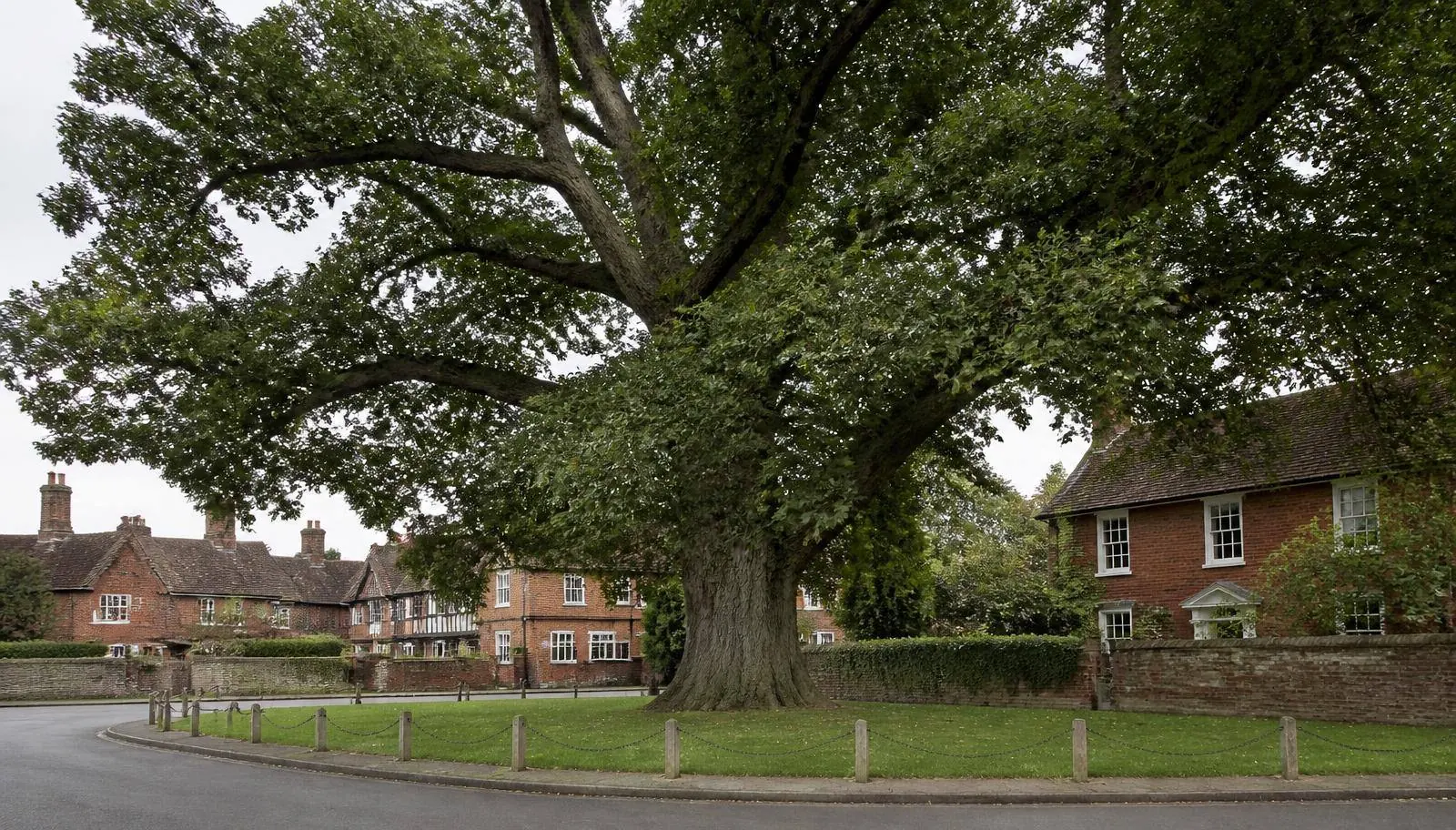
Tree removal
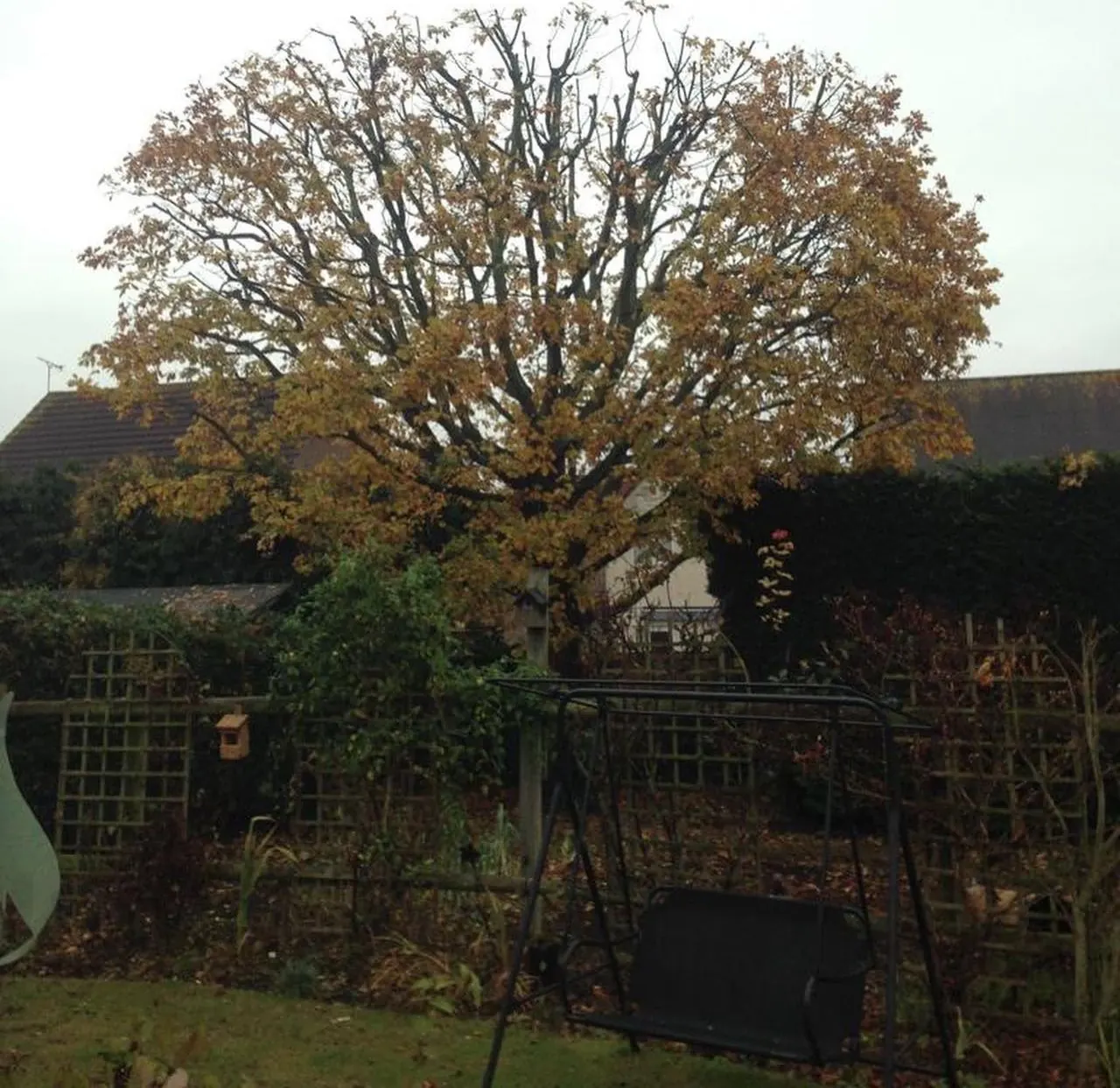
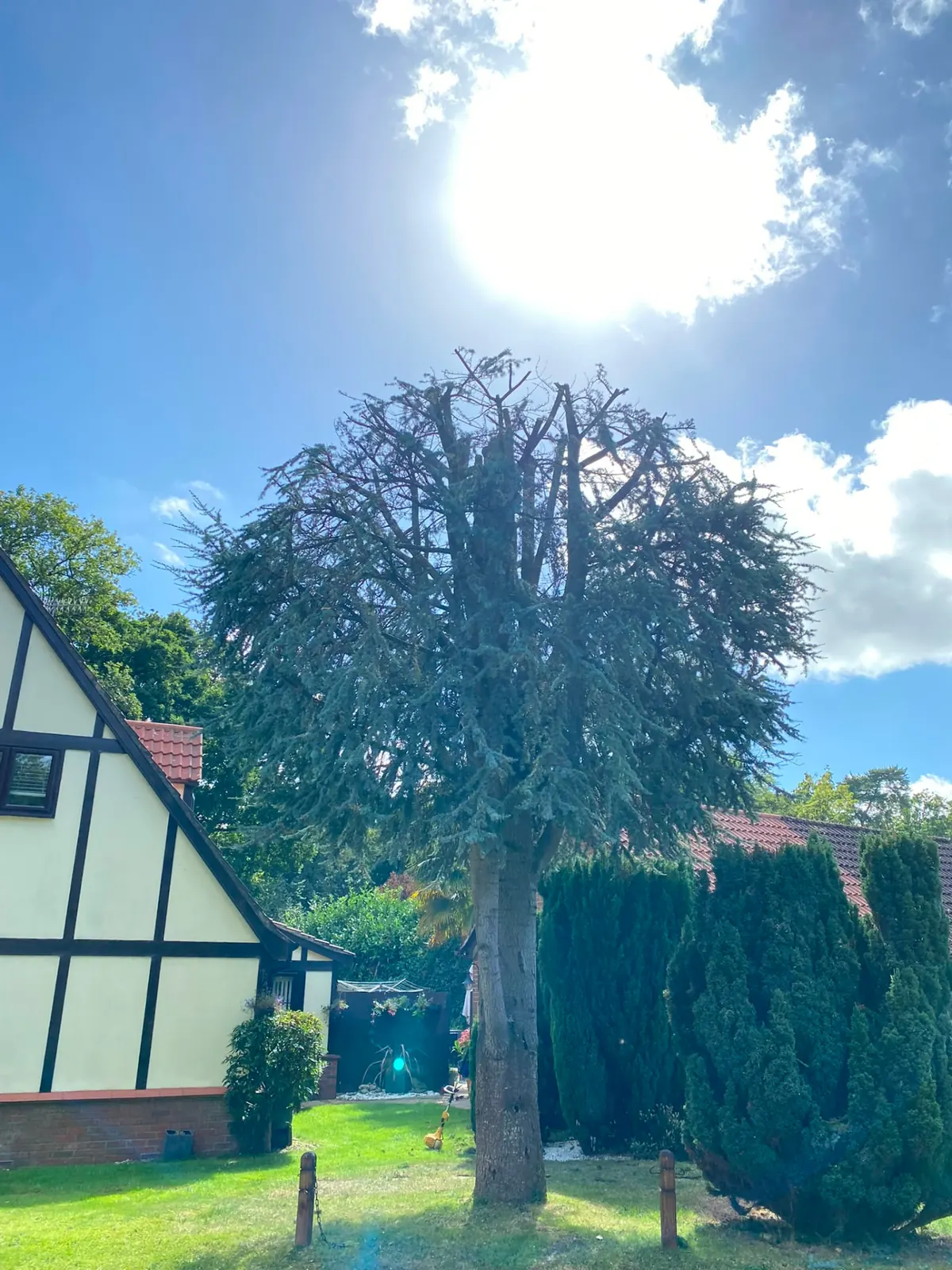
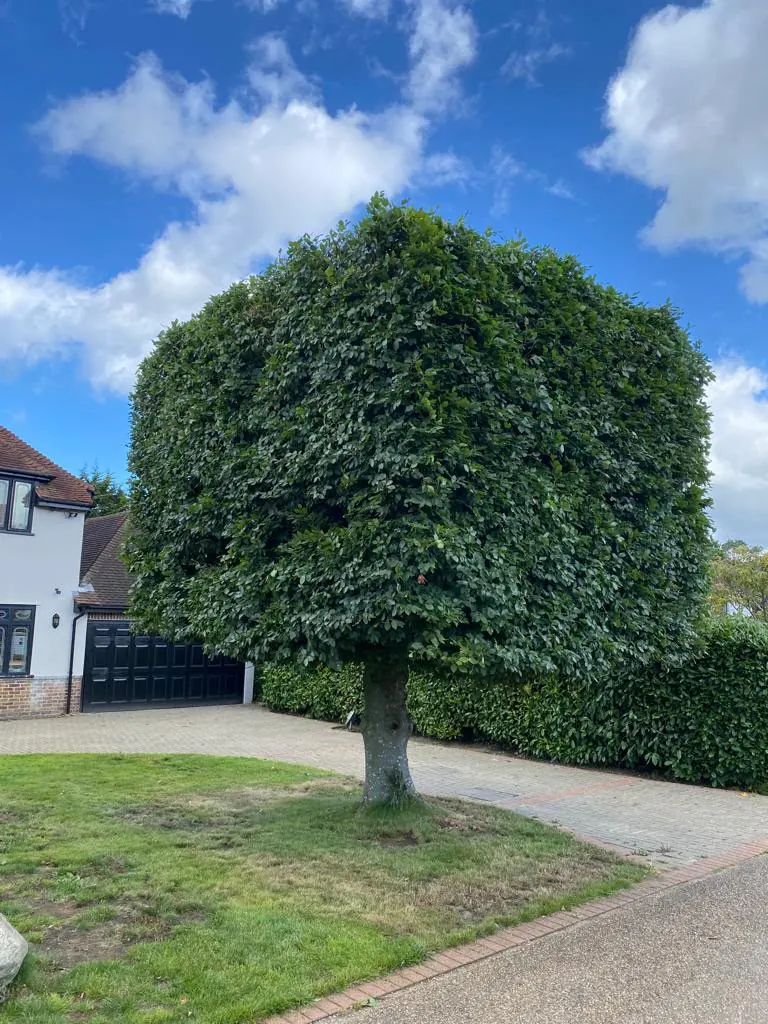
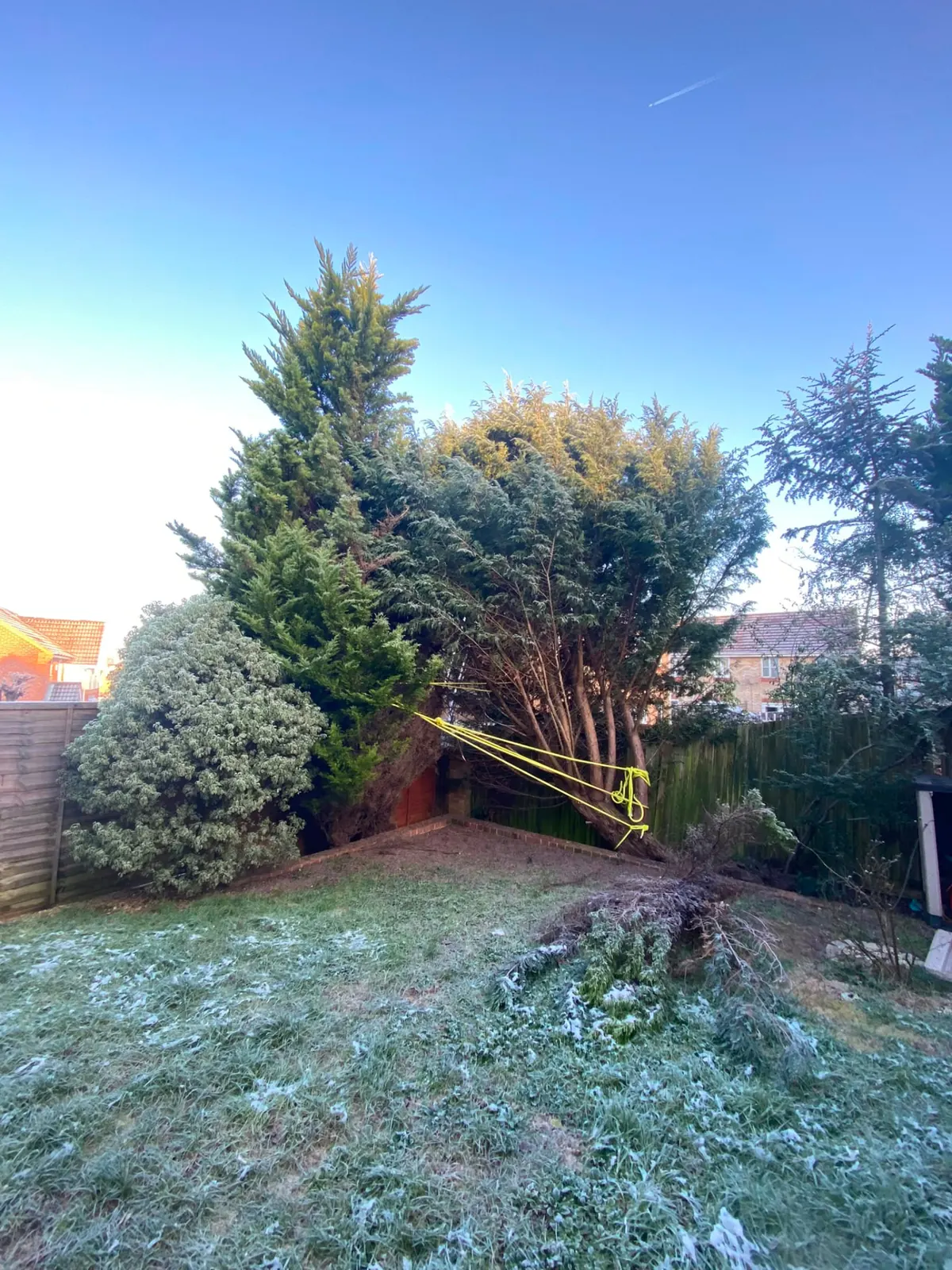
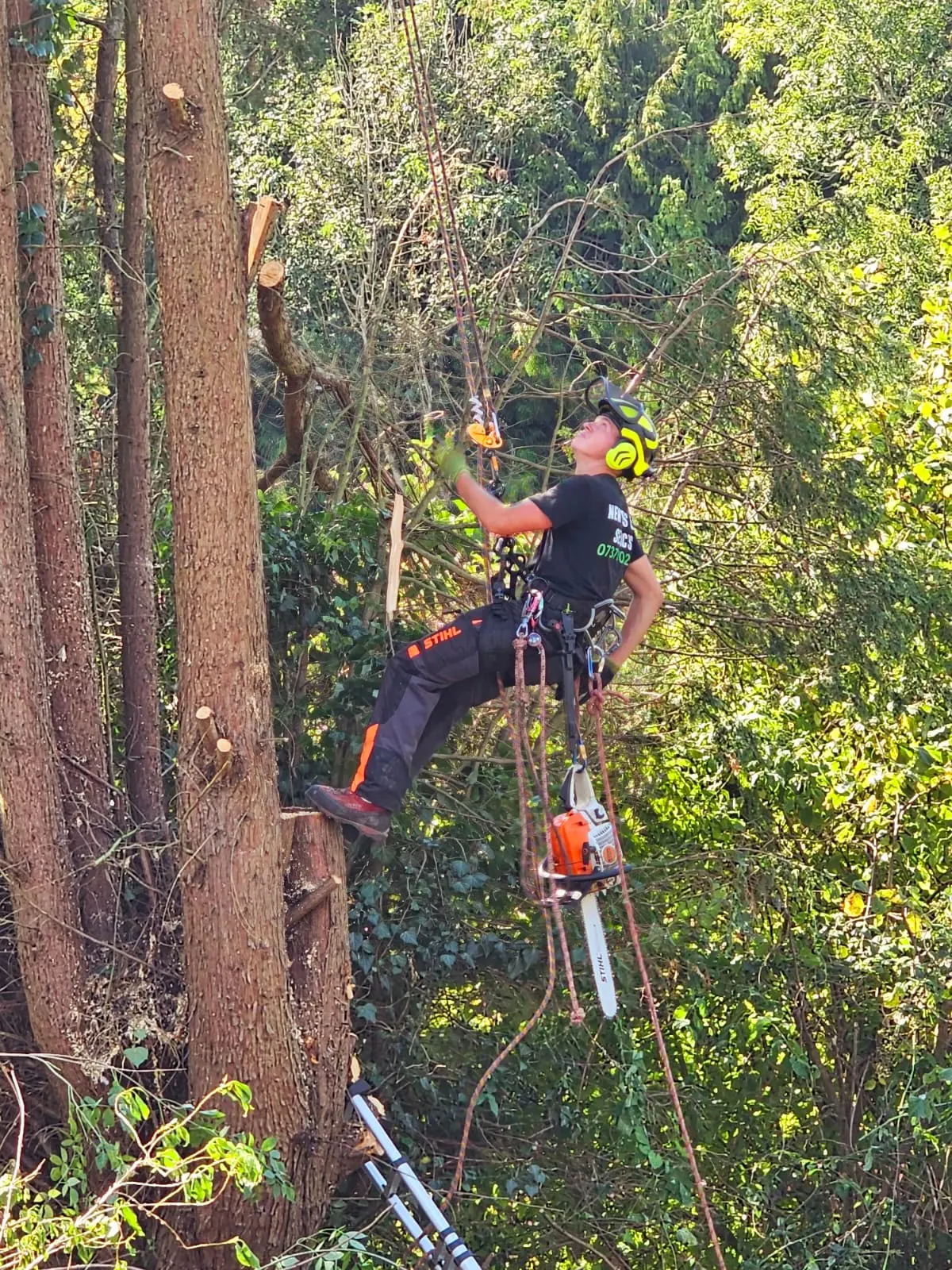
Full takedowns of self-seeded birch, pine and mature forest-edge oaks on tight estate plots.
View service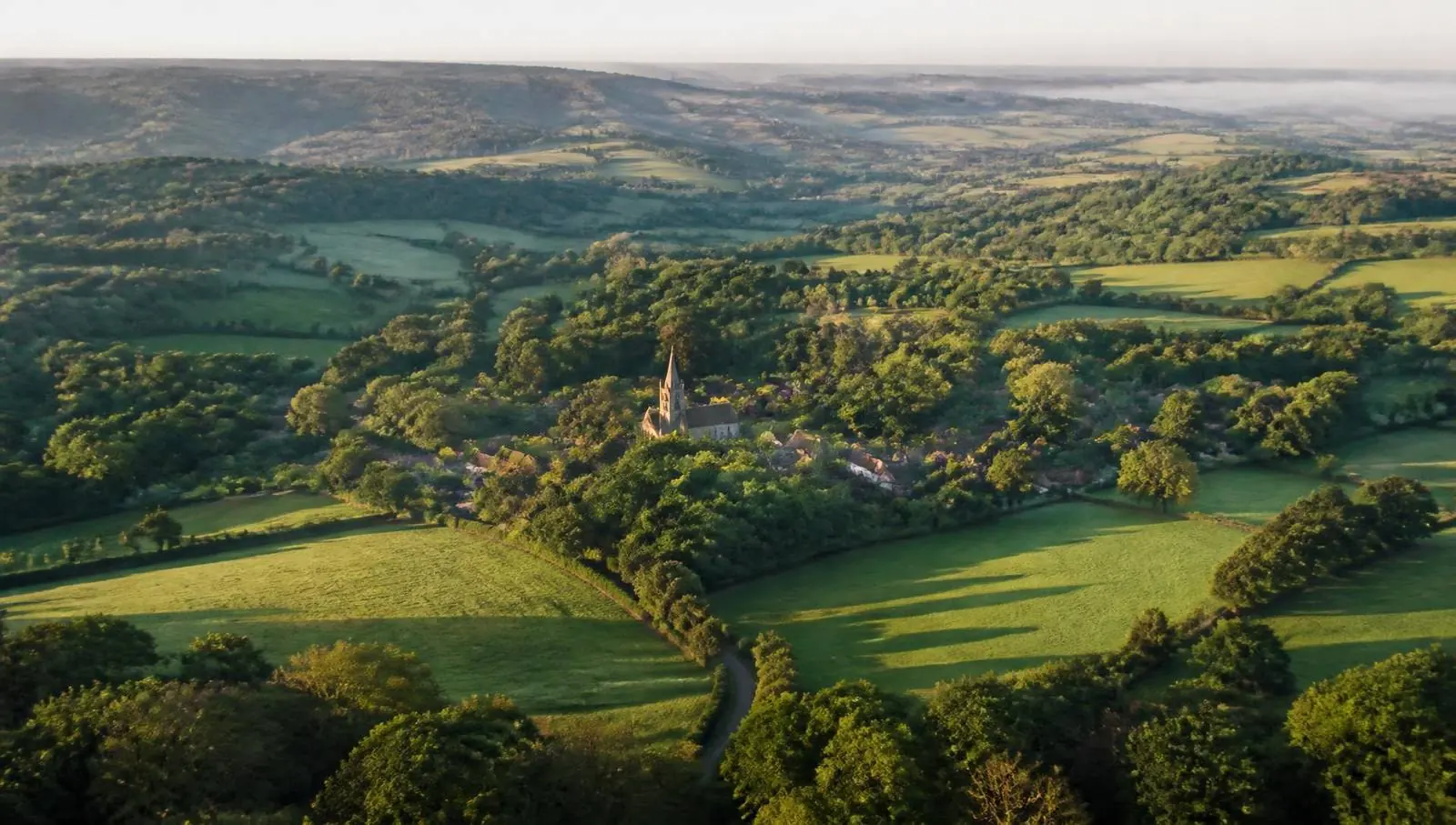
East Grinstead · West Sussex · RH19
Newton's Tree Services is based near Oxted, working out along the A22 into East Grinstead. Jobs here sit just beyond our standard 10-mile radius and may carry an additional charge, but you still get a qualified three-man crew, a free site visit usually within 7 days, and a written price the same day.
12 years in the canopy, 59+ five-star Google reviews, £10m employers' and £5m public liability cover.
A22
Direct run down the A22 from our Oxted base into East Grinstead
12 yrs
Twelve years working forest-edge gardens and new-build estates
£15m
Total insurance cover, £10m employers', £5m public and products
7 days
Typical wait for a free site visit, written quote sent same day
East Grinstead · West Sussex
East Grinstead sits on the edge of Ashdown Forest, on sandy, free-draining Wealden soil that supports large stands of oak, birch and pine, alongside a town that has grown substantially in the last few decades with estates like Highfield, Forest Row Road and the areas around Saint Hill spreading out from the older High Street core.
We're based near Oxted and reach East Grinstead via the A22, which puts most of the town just beyond our standard 10-mile radius. Work here can carry an additional charge to reflect that extra travel, and we always confirm this upfront in the quote rather than adding it as a surprise.
The town's tree stock is a genuine mix: mature oak and beech around the historic core and the sandstone lanes near Saint Hill, birch and pine self-seeded from the forest edge on the newer estates, and ornamental planting from the last thirty years of housing development around Imberhorne and the town's northern and eastern edges. Sandy soil drains fast, which affects how trees establish and how they fail in drought stress compared with the clay we see nearer Lingfield and Godstone.
Typical calls in East Grinstead include self-seeded birch and pine crowding garden boundaries on newer estates, storm damage to forest-edge oaks after weather comes across the open ground of Ashdown Forest, and hedge and boundary work on the mix of 1930s, post-war and modern housing that makes up most of the town.
Based near Oxted, reached via the A22, East Grinstead sits just beyond our standard 10-mile radius, so quotes here may include a small additional travel charge.
Free site visits in East Grinstead are usually carried out within 7 days of your enquiry, with the finalised written quotation sent the same day as the visit.
Historic High Street and Saint Hill sandstone-lane properties, 1930s and post-war housing, and modern estates around Imberhorne and Forest Row Road.
We work Mon–Sat 8am–9pm and take out-of-hours call-outs for storm damage and dangerous trees when a limb or whole tree has come down.
What we do here
Every service below is available in East Grinstead, though jobs here sit just beyond our standard 10-mile radius and may carry a small additional charge, confirmed upfront on your quote. Each service links through to a full page explaining how we approach it.
Full takedowns of self-seeded birch, pine and mature forest-edge oaks on tight estate plots.
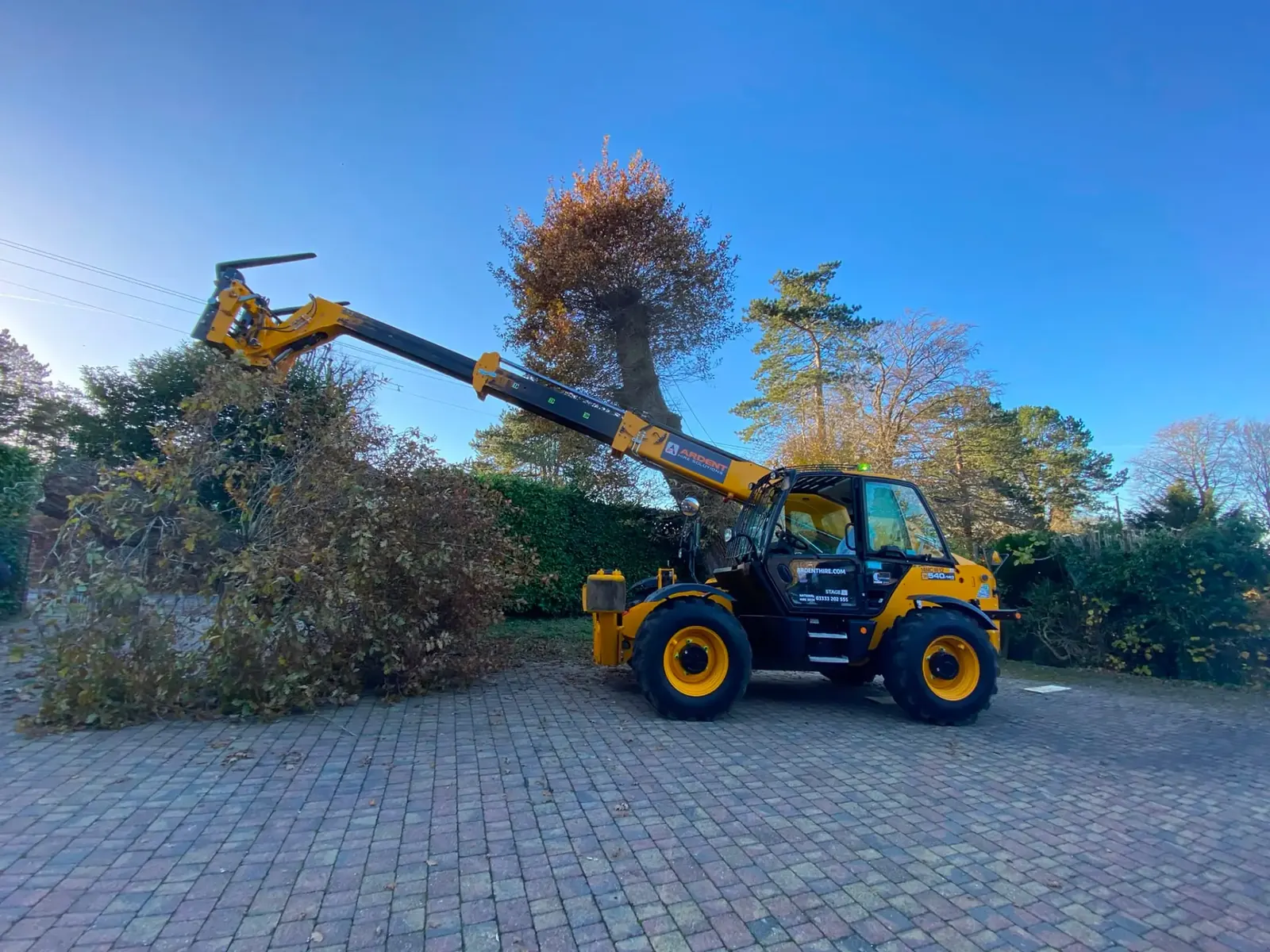
View serviceBring an oversized oak or beech near Saint Hill or the High Street back to a manageable size.
View serviceLet light and wind through dense birch and pine growth crowding a newer estate boundary.
View serviceLift low limbs off drives, paths and rooflines across East Grinstead's housing developments.
View servicePull growth back off fences, garages and shared boundaries on close-built modern estates.
View serviceTake out dead limbs from drought-stressed sandy-soil trees before the next gale off the forest.
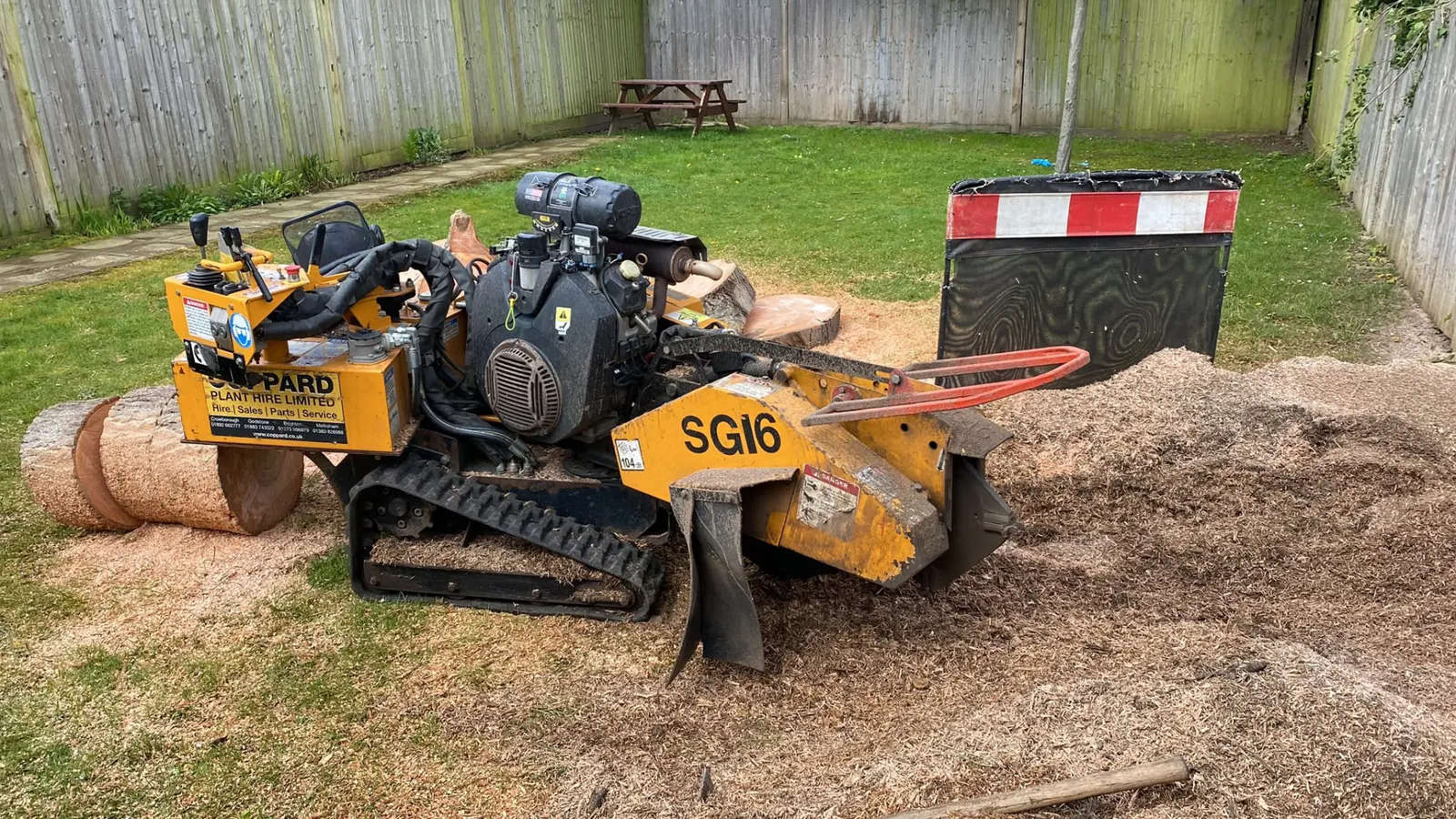
View serviceGrind out stumps left behind by self-seeded birch and pine so lawns and beds go flat again.
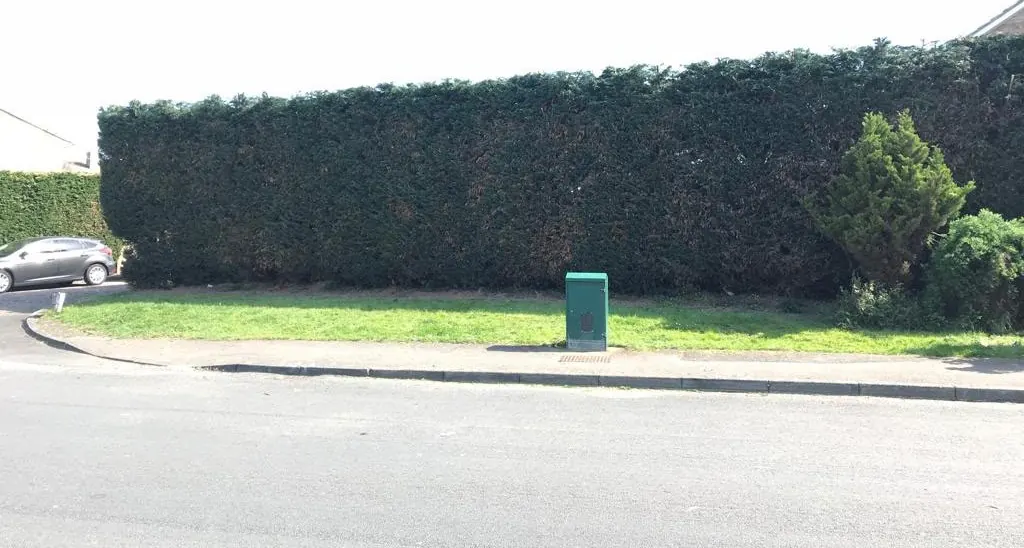
View serviceCut estate boundary and screening hedges back to a clean line, arisings chipped and cleared.
View serviceOut-of-hours call-outs when a tree comes down across a drive, fence or roof in East Grinstead.
View serviceSafe dismantling of split, leaning or wind-blown trees on sandy, fast-draining ground.
View serviceOvergrown plots near the forest edge cleared ready for building, fencing or landscaping.
View serviceNew stock chosen and positioned to suit free-draining sandy soil and forest-edge exposure.
View serviceBasic inspections from £50 per tree, written up and useful for planning or insurance purposes.
View serviceTPO and conservation area paperwork handled with Mid Sussex District Council on your behalf.
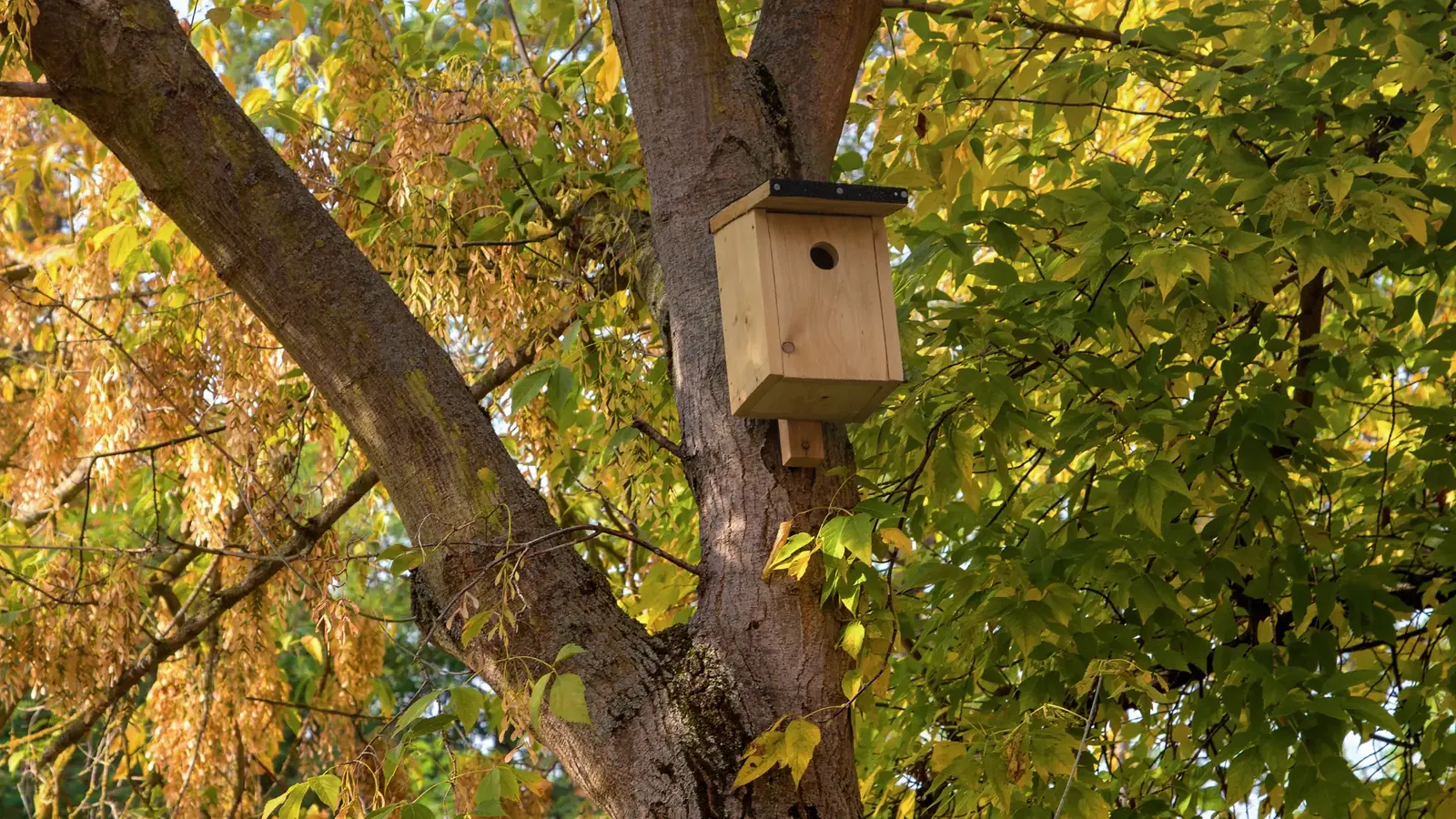
View serviceBoxes sited and fixed properly while we're already roped into the canopy on a garden tree.
View serviceWhy us
The person who quotes the job is the person who climbs it. Jack Newton runs a three-man crew and is on site for the work itself, which matters on East Grinstead's mix of tight new-build plots and larger forest-edge gardens where access varies enormously street to street.
The qualifications are current: NPTC and City & Guilds chainsaw certificates covering maintenance and cross-cutting, felling up to 380mm, tree climbing and aerial rescue, and aerial cutting and free-fall techniques. Insurance is £10 million employers' liability and £5 million public and products liability, the figures managing agents on East Grinstead's newer estates and neighbours on shared boundaries typically want confirmed before work starts.
59+ five-star Google reviews back it up rather than replace it, and a guarantee is available on request, ask when you book your quote.
Jack and a three-man crew do the work themselves. No brokered jobs, no unknown team turning up on the day.
NPTC / City & Guilds tickets and £10m / £5m cover, the documents insurers, agents and Mid Sussex District Council will want to see.
Free site visit usually within 7 days, then the finalised written quotation on the same day as the visit, including any travel charge stated upfront.
Arisings are chipped and cleared as standard. Logs are £100 per tonne bag and woodchip £50 per truck load if you want to keep any of it.
On the ground in East Grinstead
East Grinstead's position on the edge of Ashdown Forest, its sandy Wealden soil and its rapid post-war growth combine to produce a set of tree issues that differ noticeably from the clay villages closer to our Oxted base.
Much of East Grinstead's newer housing, around Imberhorne, Forest Row Road and the town's eastern edges, was built into or right up against former forest and heathland, and birch and pine self-seed aggressively on the sandy soil left behind. Left unmanaged, they grow fast, thin and tall, quickly crowding boundaries and shading gardens that were never designed with a tree in mind.
Because these are usually multiple young trees rather than one specimen, the sensible approach is often selective removal to thin the group, rather than trying to crown-reduce every stem individually.
The free-draining sandy soil that gives East Grinstead its heathland character also means trees are more exposed to drought stress in dry summers than the same species would be on heavier clay nearer Lingfield or Godstone. Drought-stressed trees are more prone to shedding limbs suddenly, sometimes with no obvious warning sign beforehand.
Dead-wooding mature oaks and beech after a dry summer, before autumn winds arrive, is a common and worthwhile piece of preventative work we're asked to do here.
Trees on the edge of Ashdown Forest and the more open ground toward Saint Hill take weather with less shelter than trees tucked into a built-up town centre. Tall, thin pines and birches that grew up in a group and then had neighbours removed for development are particularly exposed once that shelter disappears.
We see a steady run of storm call-outs here for exactly that reason, trees that were fine as part of a stand becoming unstable once building work opened up the ground around them.
Many of East Grinstead's newer developments were built with small gardens and narrow shared access, sometimes with no route for a vehicle to the rear at all. Combined with close-set fencing and neighbouring conservatories, that limits equipment size and often means material has to be carried out by hand or lowered on ropes rather than dropped or chipped in place.
This is one of the main reasons quotes for similar-looking trees vary between an older High Street garden and a modern estate plot, and why we always assess access on a site visit rather than from photos.
Older properties around the High Street and Saint Hill sit alongside decades of infill and modern estate housing, which means overhead and underground services of very different ages run close to mature trees in some gardens. Roots working against older drainage, or limbs resting on overhead lines, are common reasons for a call in the older parts of town.
Lateral reduction and crown raising deal with most of this without full removal, keeping mature trees that give the older streets their character.
A number of mature trees around East Grinstead's town centre conservation area and the parkland near Saint Hill are protected by Tree Preservation Order, and new developments often carry planning conditions protecting retained trees. Working on a protected tree without consent is an offence that falls on the property owner.
We handle Tree Preservation Order applications, conservation area notices and other council applications on your behalf, dealing with Mid Sussex District Council so consent is confirmed before any cutting starts.
Questions
Nearby
See every town our tree surgeons cover, browse all tree surgery services, read about Jack and the crew, head back to the Newton's Tree Services tree surgeons, or go straight to the free tree surgery quote form.
Free quote
Send the form or call Jack directly. We'll book a site visit in East Grinstead, usually within 7 days, and you'll have a written price the same day we see the tree.
Call 07375 701290Five Pebble Hill Cottages, Westerham Road, RH8 0EA · Mon–Sat 8am–9pm · Sunday closed