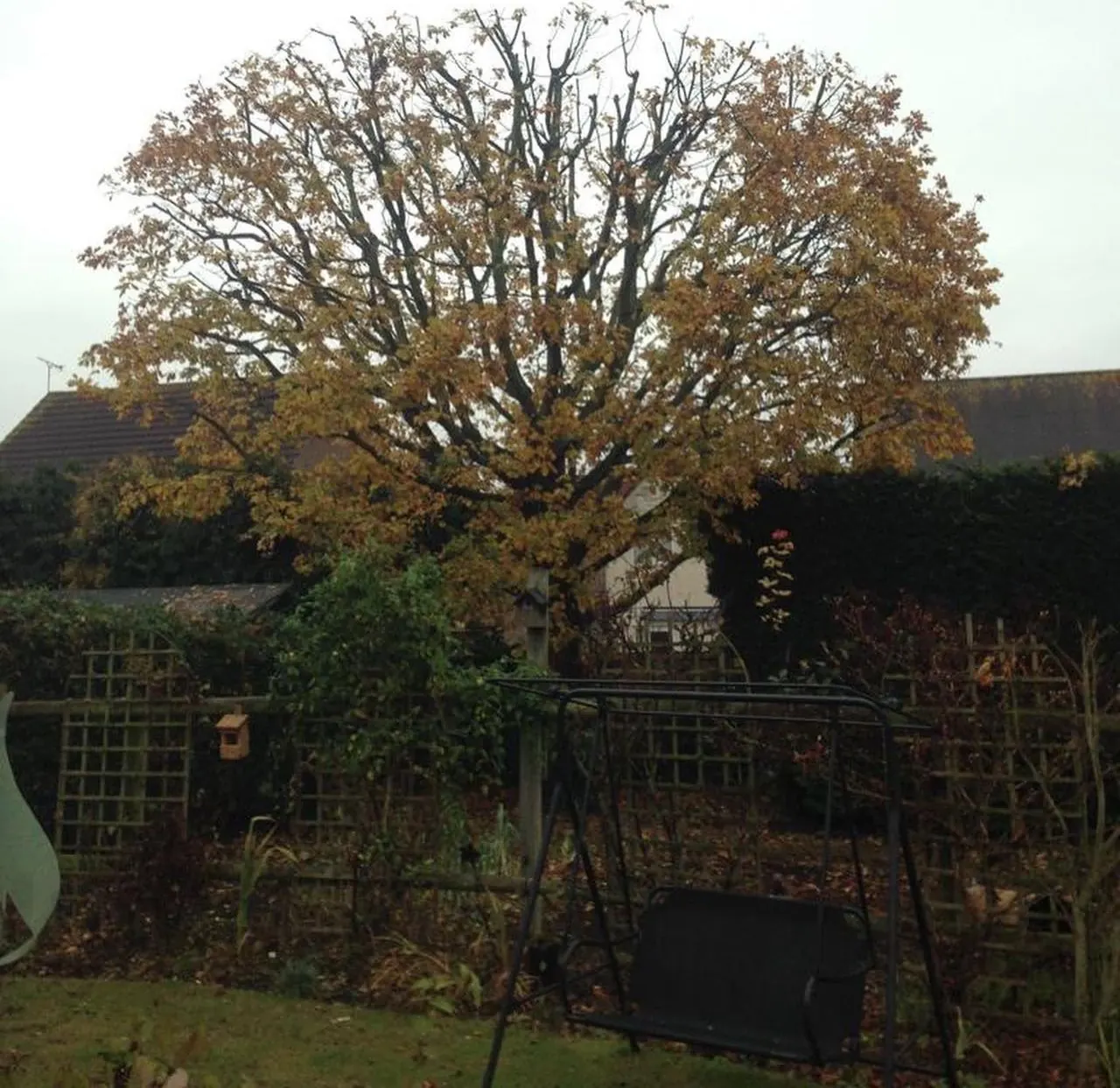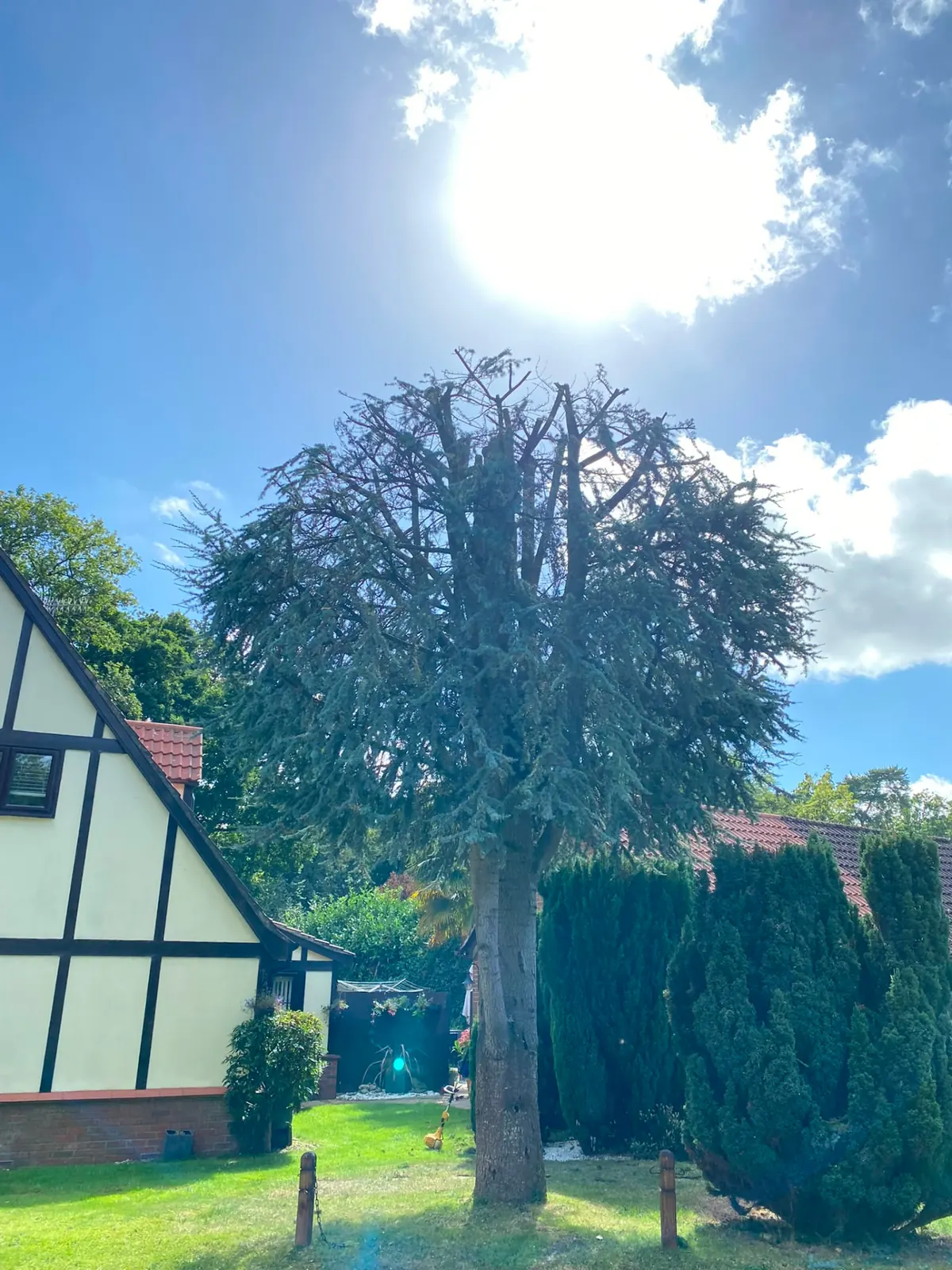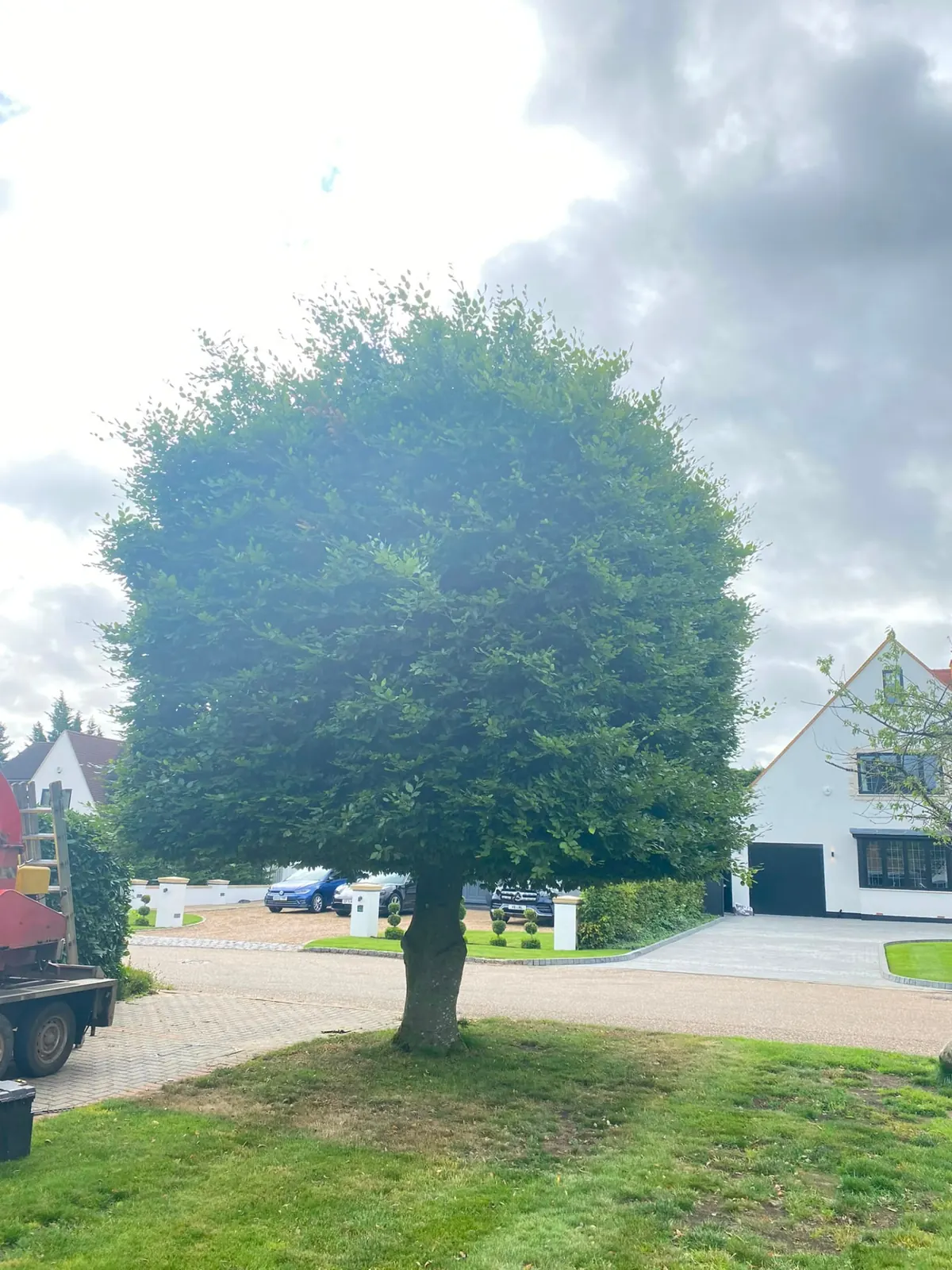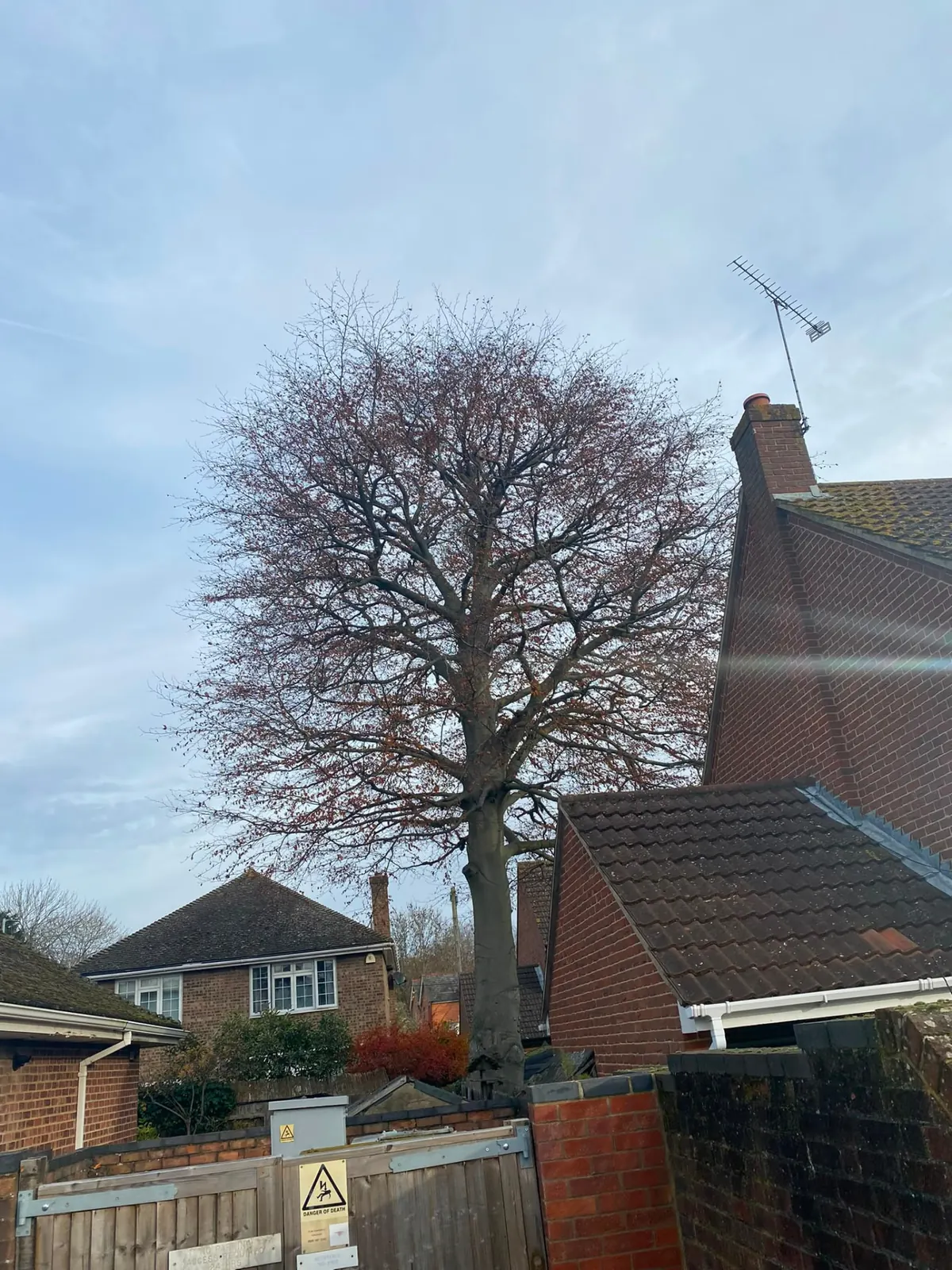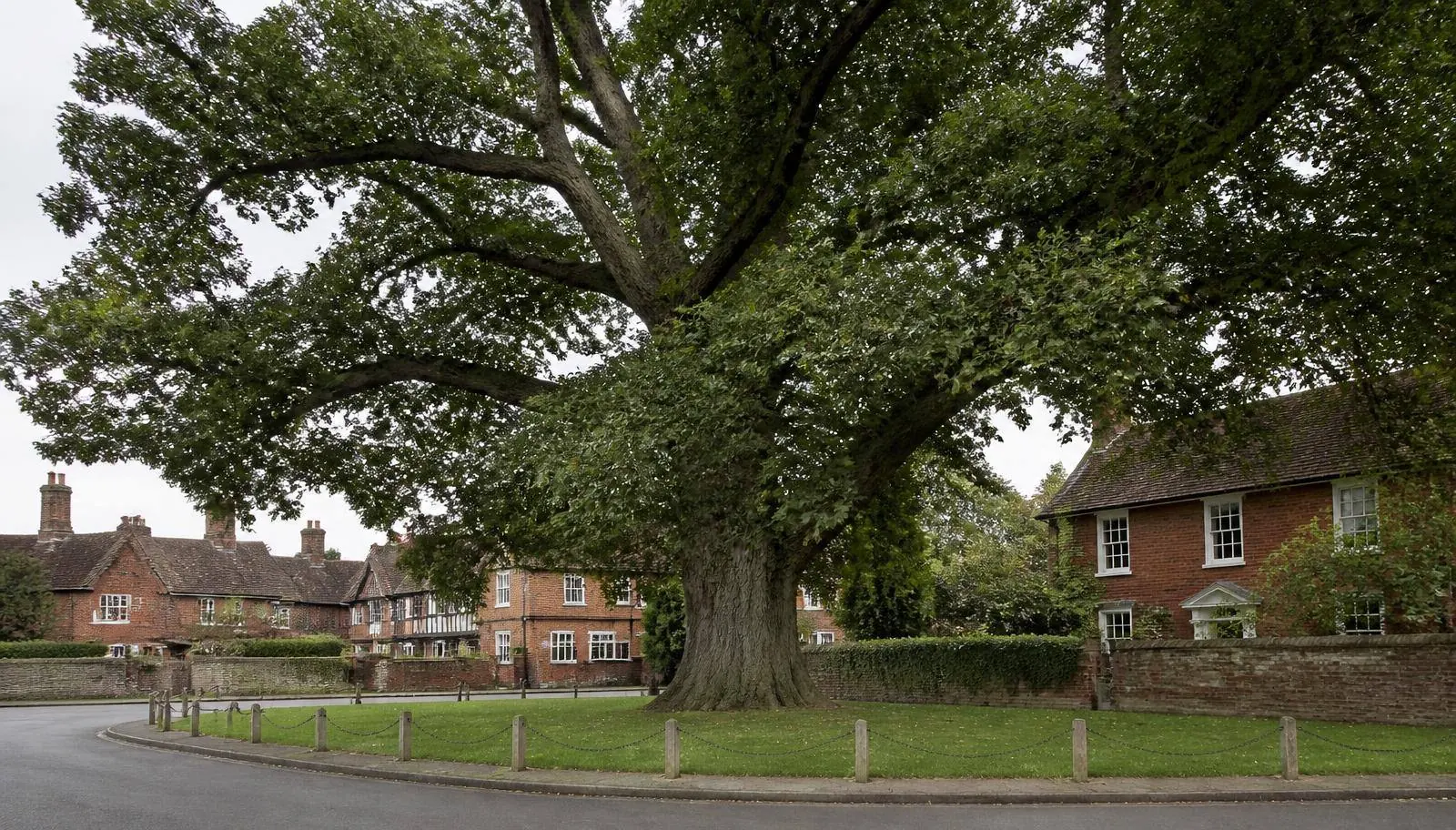
Tree removal
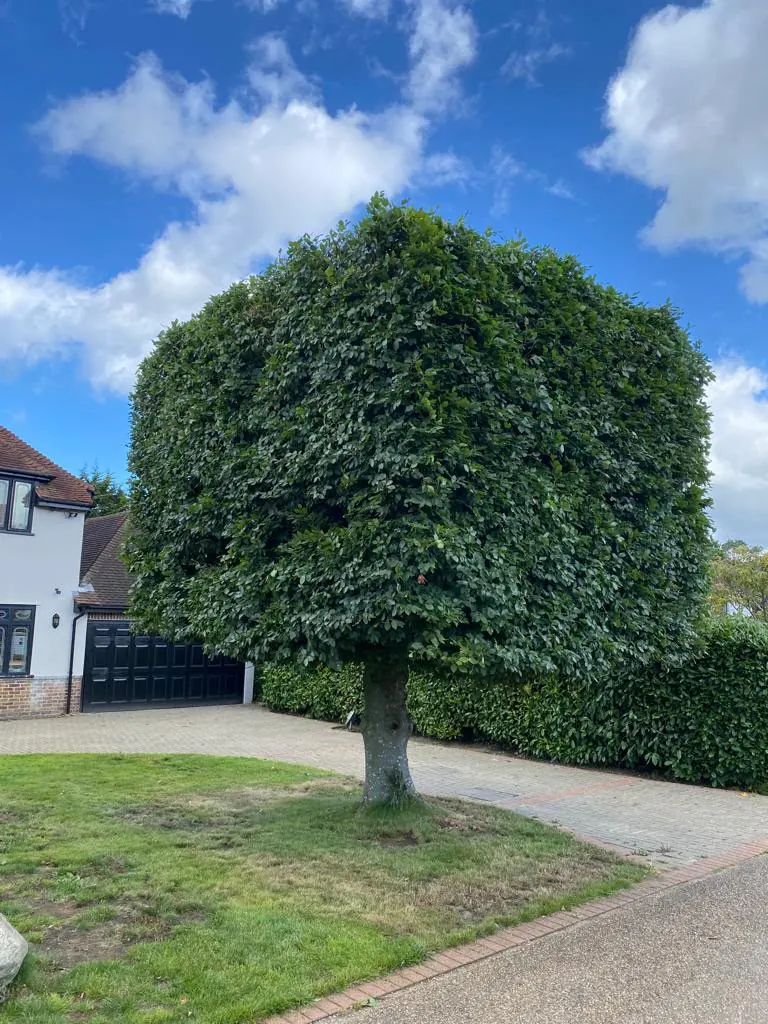
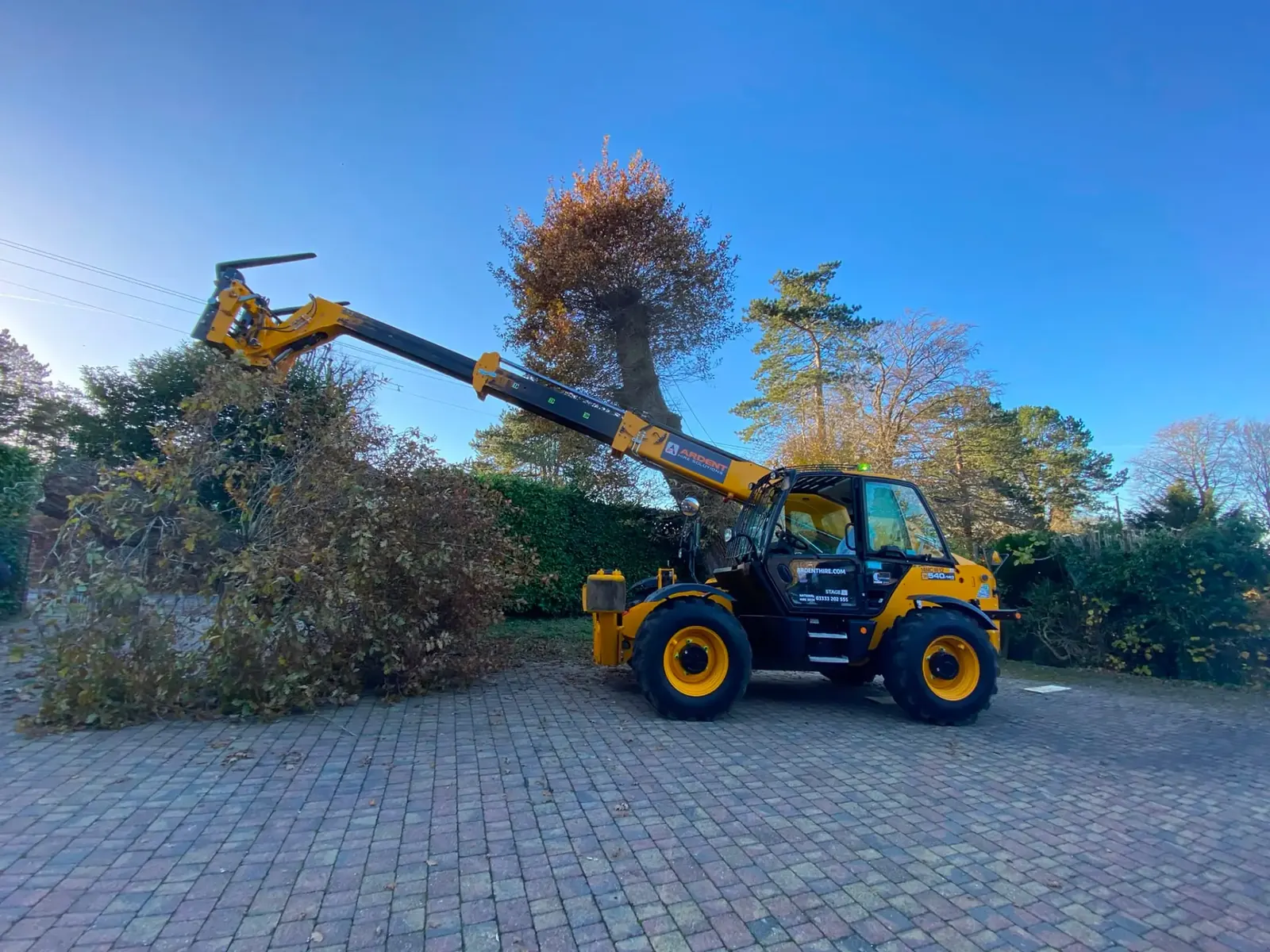
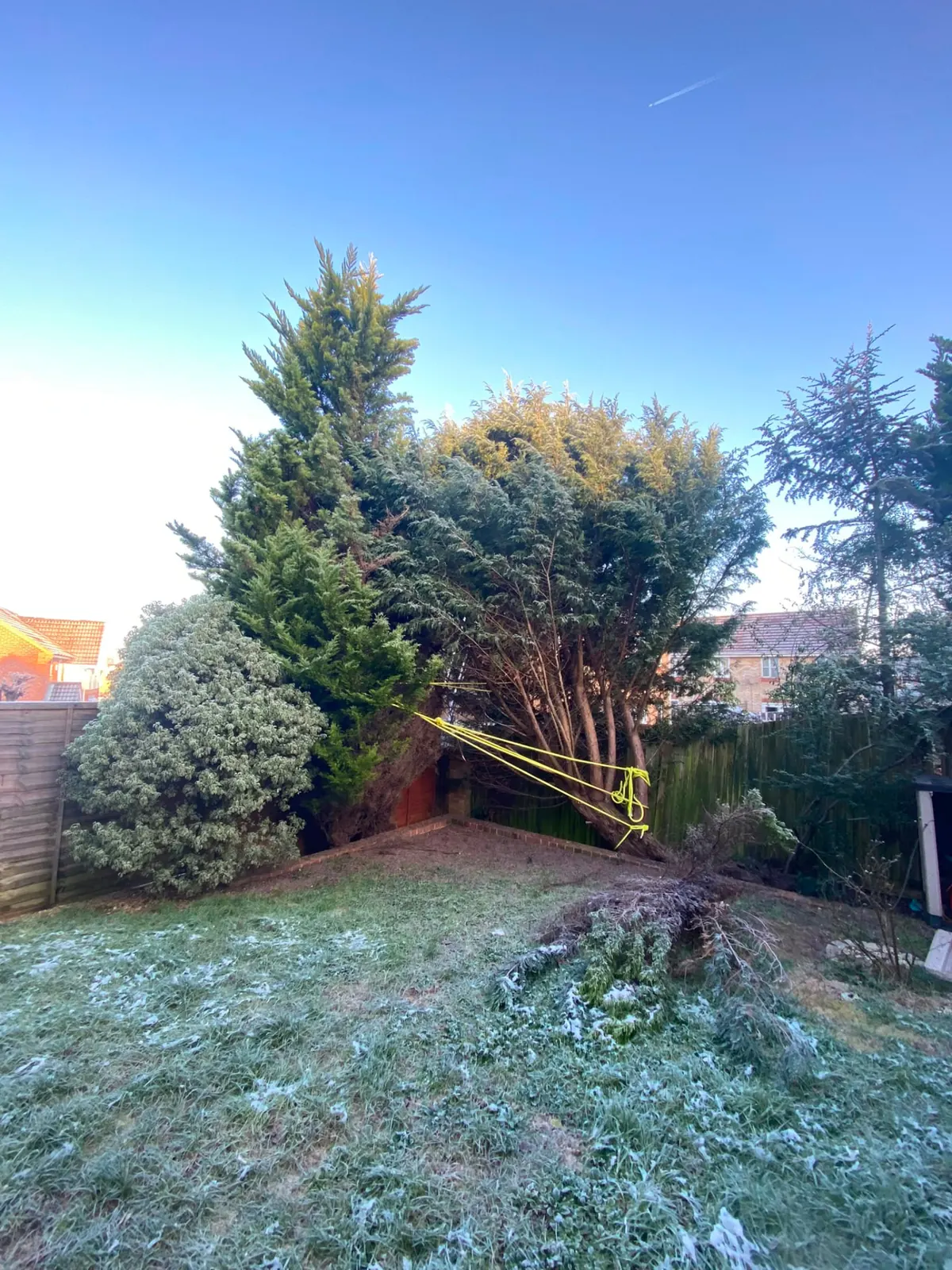
Takedowns in the compact rear gardens typical of Southgate and Ifield's terraced streets.
View service
Crawley · West Sussex · RH10/RH11
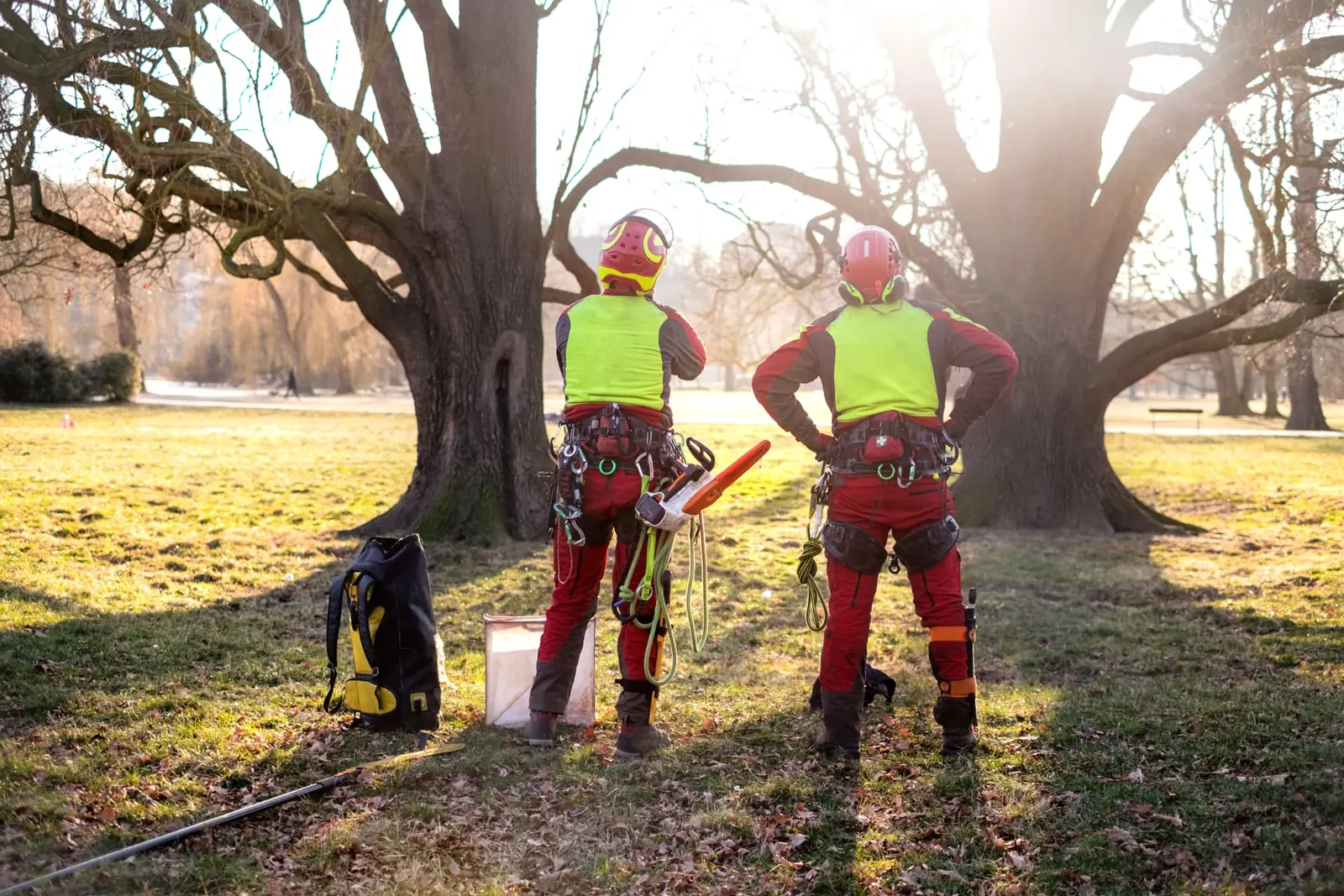
Newton's Tree Services works throughout Crawley, from the post-war neighbourhoods around Southgate and Three Bridges to the newer streets of Maidenbower and Pound Hill. You get a qualified three-man crew, a free site visit usually within 7 days, a written price the same day, and arisings chipped and cleared before we leave.
12 years qualified, 59+ five-star Google reviews, £10m employers' and £5m public liability cover.
12 yrs
Jack Newton has held NPTC and City & Guilds tickets for twelve years
£15m
Total insurance cover, £10m employers', £5m public and products
7 days
Typical wait for a free site visit, written quote sent same day
59+
Five-star Google reviews from customers across the borders
Crawley · West Sussex
Crawley is one of the post-war new towns, built out from the 1940s onward around the older market town core, and that history shapes almost every tree job here. Neighbourhoods like Southgate, Ifield and Pound Hill were laid out with street trees and garden specimens planted deliberately as part of the estate design, mostly ornamental cherry, rowan, lime and semi-mature oak retained from the original farmland hedgerows. Those trees are now sixty to seventy years old, well past the size the original plot was designed around, and that mismatch between tree size and garden size is the single most common reason we get called to Crawley addresses.
The town sits on Weald clay, heavy and slow-draining, which behaves very differently from the greensand and chalk we work on nearer Oxted. Clay shrinks and swells with the seasons, so root systems in Crawley gardens sit shallower and spread wider than they would in freer-draining ground, and that has direct consequences for subsidence risk near foundations, for how a stump grind is planned, and for how much a tree can safely be reduced without destabilising it in wet ground.
Crawley also sits under the Gatwick flight corridor, and while that doesn't change how we cut a tree, it does shape planting advice, tall, fast-growing species close to approach paths are sometimes restricted by planning conditions on newer developments, so anyone planting near the airport side of town in Maidenbower or Tilgate is worth checking with the council before choosing stock.
We work across all the main Crawley neighbourhoods: Three Bridges, Ifield, Pound Hill, Southgate, Tilgate, Maidenbower, Broadfield, Langley Green and the town centre. Crawley sits beyond our standard 10-mile radius from Oxted, so jobs here may carry an additional charge on top of the standard price, but it's regular ground for us and the crew already knows the estates well.
Three Bridges, Ifield, Pound Hill, Southgate, Tilgate, Maidenbower, Broadfield and Langley Green, the full RH10/RH11 spread.
Free site visits in Crawley are usually carried out within 7 days of your enquiry, with the finalised written quotation sent the same day as the visit.
1950s–60s new-town semis and terraces around Southgate and Ifield, 1970s–80s estates in Pound Hill and Tilgate, and 1990s–2000s housing in Maidenbower and Broadfield.
Crawley sits outside our standard 10-mile radius from Oxted, so jobs here may carry an additional charge, confirmed clearly on your written quote before any work starts.
What we do here
Every service we offer is available in Crawley. Each one links through to a full page explaining how we approach it, and any Crawley travel charge is agreed up front in writing.
Takedowns in the compact rear gardens typical of Southgate and Ifield's terraced streets.
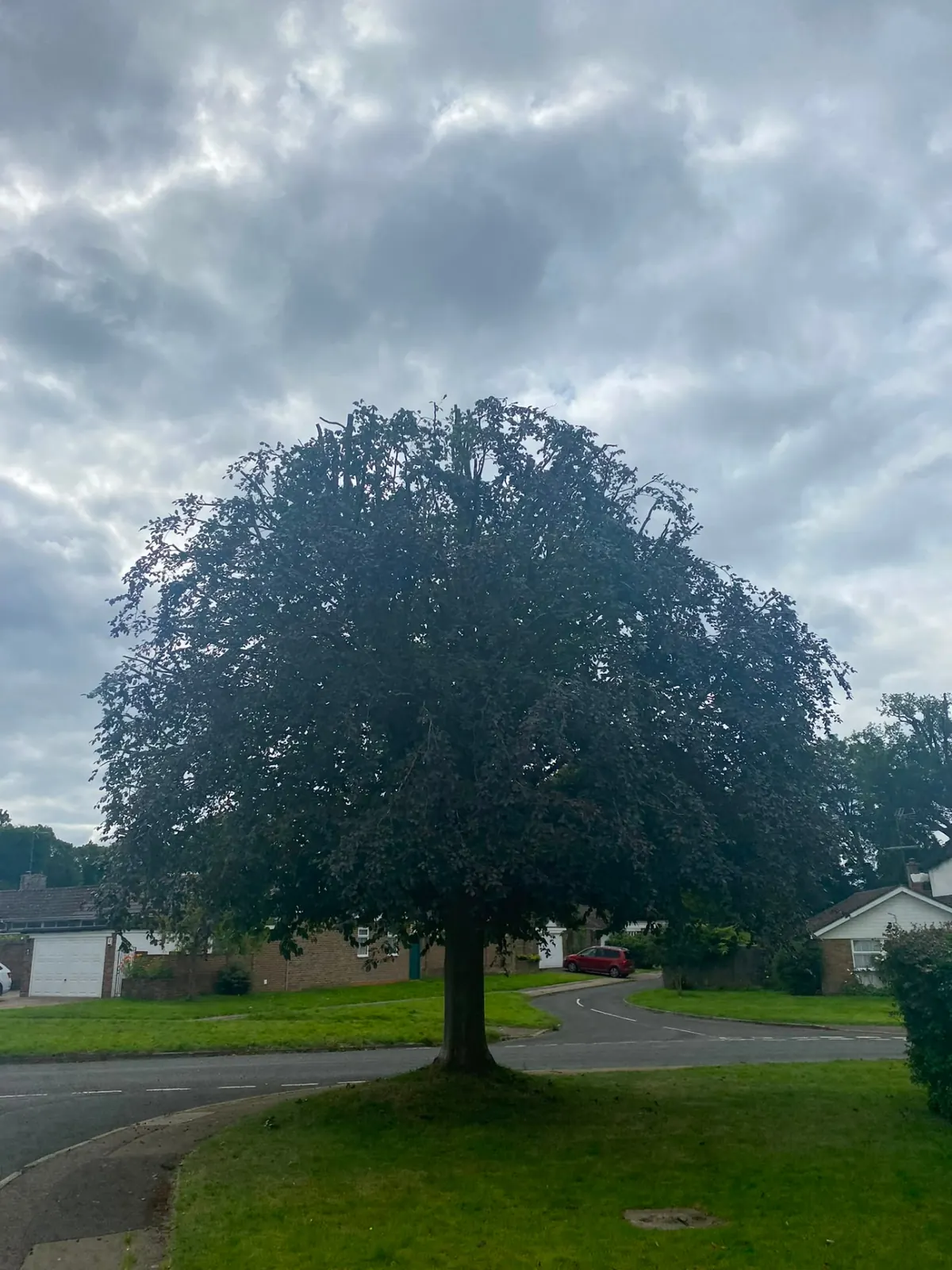
View serviceBring a sixty-year-old estate oak or lime back to a size the original garden was built for.
View serviceLet wind pass through dense canopies rather than loading roots already working hard in Weald clay.
View serviceLift low limbs off drives and pavements on the tighter plots around Pound Hill and Broadfield.
View servicePull growth back off fences, garages and shared boundaries on Crawley's terraced estate rows.
View serviceRemove dead limbs from mature street-adjacent trees before they drop onto a path or parked car.
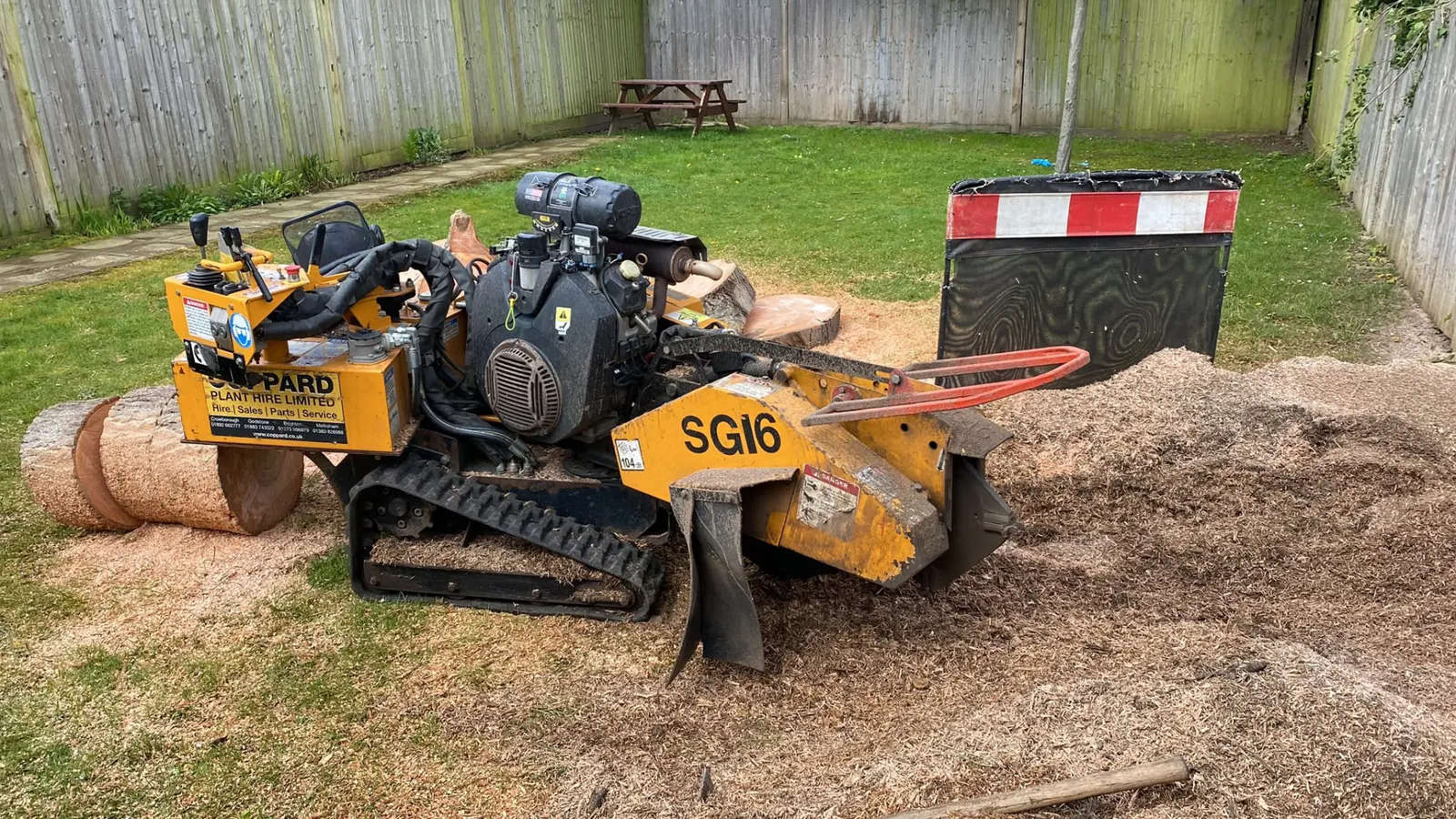
View serviceGrind stumps out below ground, accounting for the shallow, wide root spread clay soil produces.
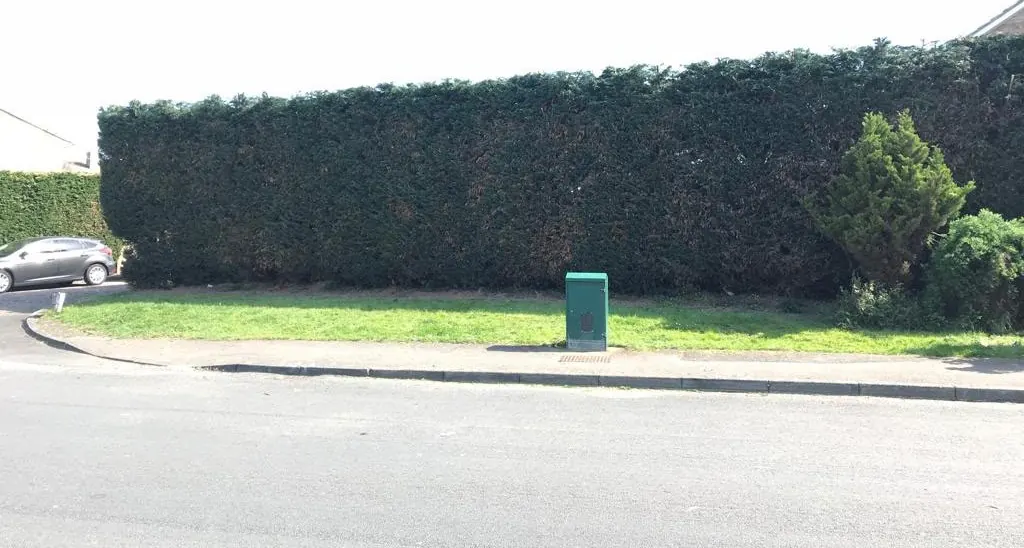
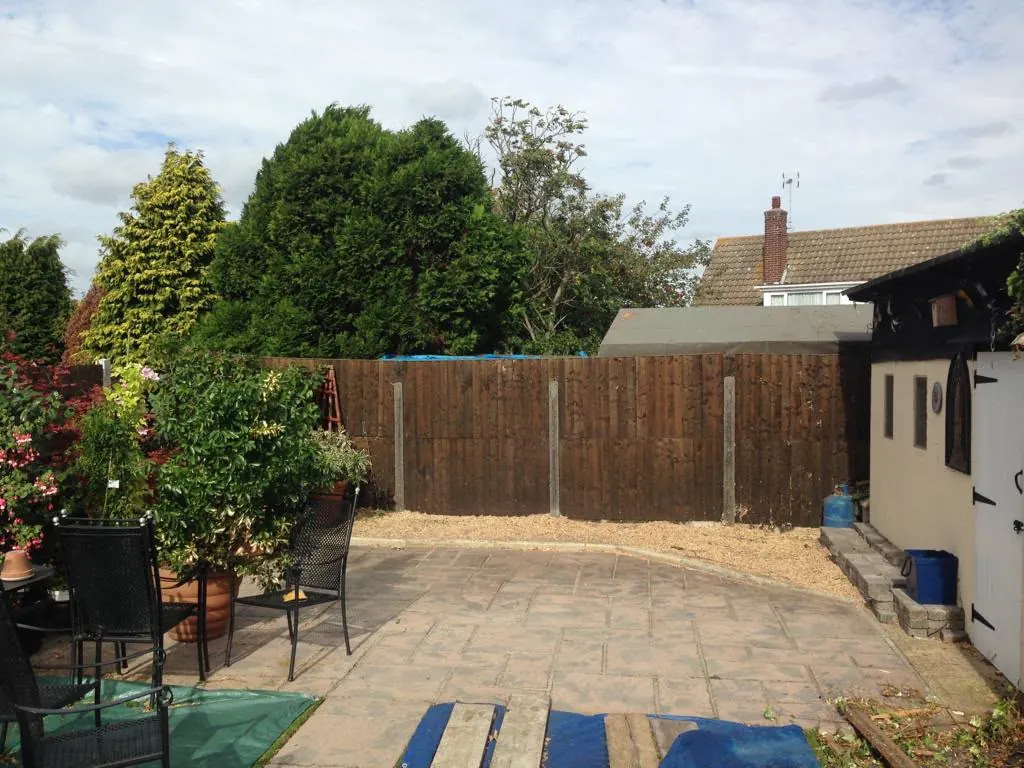
View serviceLeylandii and privet boundary hedges cut back straight, common on Tilgate and Maidenbower plots.
View serviceOut-of-hours call-outs when a limb comes down across a Crawley drive, fence or roof.
View serviceSafe dismantling of split or leaning trees weakened by waterlogged clay after heavy rain.
View serviceOvergrown plots near Maidenbower and Broadfield cleared ready for building or landscaping.
View serviceNew stock chosen to suit heavy clay and, where relevant, any airport-corridor planting conditions.
View serviceBasic inspections from £50 per tree, useful before extending on a Crawley new-town plot.
View serviceTPO and conservation area paperwork handled with Crawley Borough Council on your behalf.
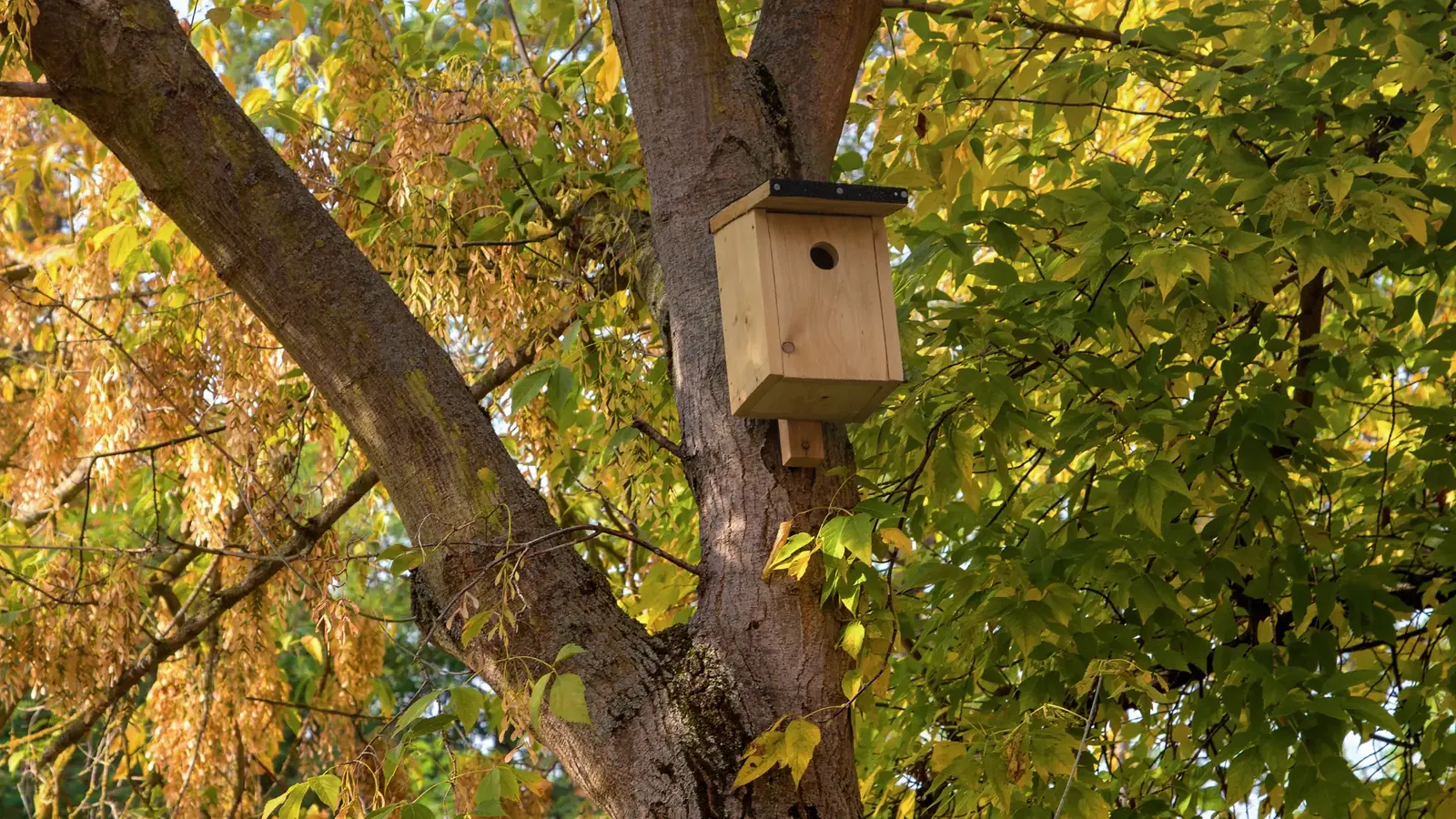
View serviceBoxes fitted to mature garden trees while we're already working the canopy.
View serviceWhy us
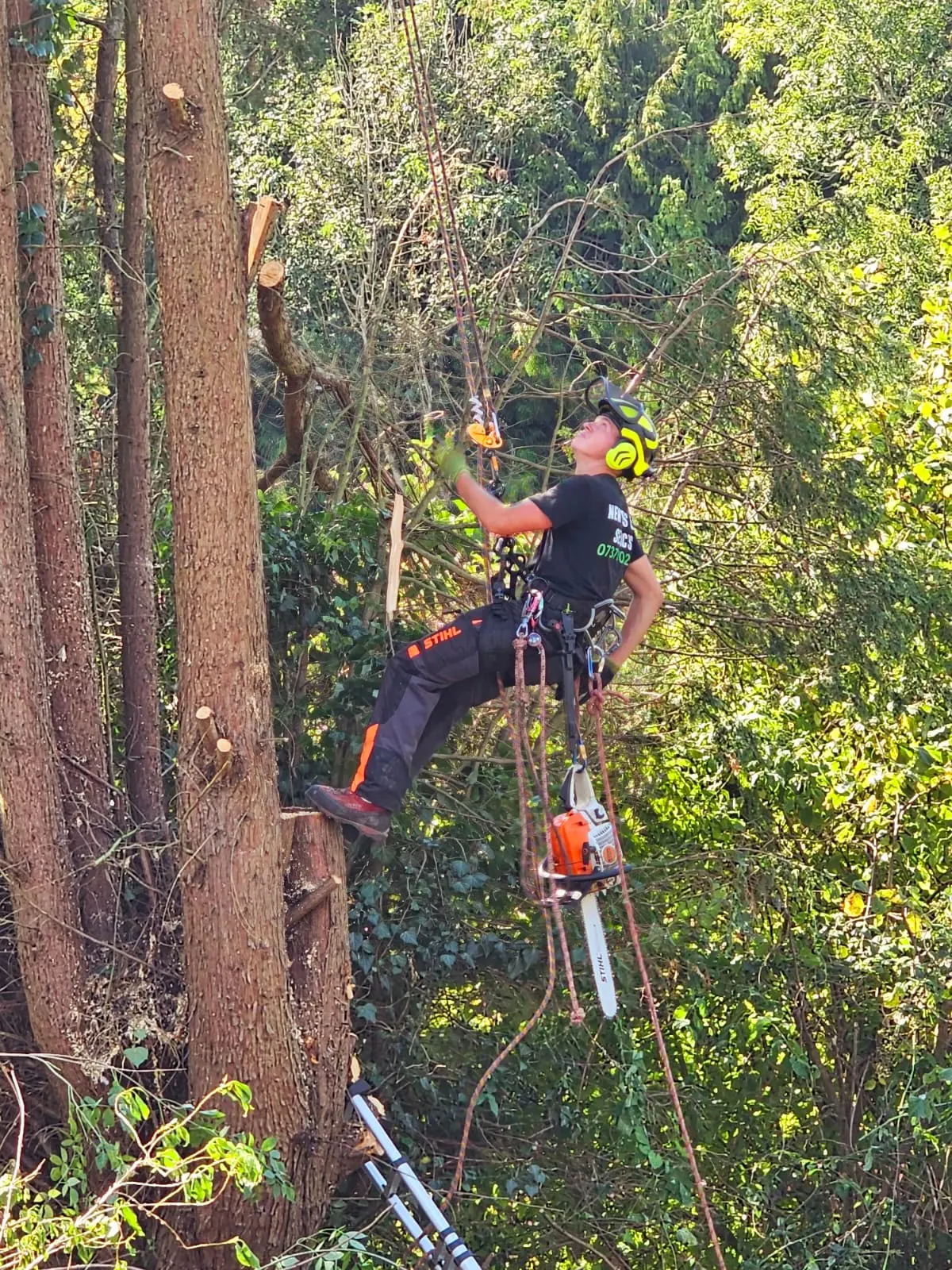
The man who quotes your job is the man who climbs it. Jack Newton runs a three-man crew and is on site for the work, so what you're quoted is what happens on the day, whether that's a Southgate semi or a Maidenbower estate house.
The qualifications are real and current: NPTC and City & Guilds chainsaw certificates covering maintenance and cross-cutting, felling up to 380mm, tree climbing and aerial rescue, and aerial cutting and free-fall techniques. Insurance is £10 million employers' liability and £5 million public and products liability, the paperwork that management companies on Crawley's newer developments will often ask to see before work starts near shared boundaries.
59+ five-star Google reviews from customers across the borders describe the same pattern: turned up when promised, worked cleanly, left the garden tidier than they found it. A guarantee is available on request, ask when you book your quote.
Jack and a three-man crew work Weald clay regularly, which changes how a reduction or a stump grind is planned versus lighter soils.
NPTC / City & Guilds tickets and £10m / £5m cover, the documents management companies and Crawley Borough Council will ask for.
Free site visit usually within 7 days, then the finalised written quotation on the same day as the visit, with any travel charge shown clearly.
Arisings are chipped and cleared as standard. Logs are £100 per tonne bag and woodchip £50 per truck load if you want to keep any of it.
On the ground in Crawley
Crawley's mix of post-war new-town planting, heavy Weald clay and a housing stock built in distinct decade-by-decade phases produces a specific set of recurring tree problems, different from the woodland-edge villages nearer our Oxted base.
Southgate, Ifield and Three Bridges were planted with ornamental and semi-mature trees as part of the original new-town landscaping in the 1950s and 60s. Seventy years on, cherries, limes and rowans chosen for a modest front garden are now full-size trees pressing against roofs, guttering and party walls.
Crown reduction and crown raising deal with most of it, bringing a tree back to a size that suits the plot without removing it outright. Where a species has genuinely outgrown its space beyond what reduction can sensibly manage, phased removal and replanting with a more appropriate variety is usually the honest answer.
Crawley sits on heavy Weald clay, which shrinks in dry summers and swells again over winter. Tree roots in this ground tend to spread wide and shallow rather than deep, which increases the risk of them affecting drives, patios and, in some cases, building foundations on older properties without modern root barriers.
This is a key reason we always look at ground conditions and drainage during the site visit rather than pricing blind, a reduction plan or a stump grind that ignores clay behaviour can cause more problems than it solves.
Many of Crawley's residential roads were built wide and open with limited tree cover between properties, which leaves individual garden trees more exposed to wind than they would be inside a wooded plot. Dead limbs and weak unions that would be sheltered elsewhere take more of a battering here.
Dead-wooding ahead of the autumn and winter storm season is the practical, lower-cost option. We also take out-of-hours call-outs when a limb has already come down across a drive or fence and can't wait for a routine appointment.
Southgate and Ifield's older terraced rows often have narrow side access or none at all to the rear garden, similar in principle to older market towns but built to tighter post-war standards. Newer estates around Maidenbower and Broadfield can have generous plots but shared private drives with restricted turning space for larger vehicles.
Either way, the access dictates the method, hand-carrying material, using a smaller chipper that fits through a gate, or rigging down over a fence rather than dropping straight. We check this at the site visit so the quote reflects the real job.
A number of mature trees across Crawley, particularly around Tilgate Park and the older parts of Ifield and Southgate, carry Tree Preservation Orders. Newer developments near the Gatwick approach can also carry specific landscaping or planting conditions attached to the original planning permission.
We handle Tree Preservation Order applications, conservation area notices and any other council or developer applications on your behalf, so the paperwork with Crawley Borough Council is sorted before any saw comes out of the van.
Terraced and semi-detached rows across Crawley's estates commonly share boundary hedges and leylandii screens planted decades ago, which grow tall enough to become a light or overhang issue between neighbours before anyone addresses them.
Lateral reduction and hedge trimming resolve most of these without escalation. Where ownership of a boundary tree is unclear, we're happy to talk it through with both households before quoting so everyone knows what's being agreed.
Questions
Nearby
See every town our tree surgeons cover, browse all tree surgery services, read about Jack and the crew, head back to the Newton's Tree Services tree surgeons, or go straight to the free tree surgery quote form.
Free quote
Send the form or call Jack directly. We will book a site visit across RH10/RH11, usually within 7 days, and you will have a written price the same day we see the tree.
Call 07375 701290Five Pebble Hill Cottages, Westerham Road, RH8 0EA · Mon–Sat 8am–9pm · Sunday closed